
Contract Template For Landscaping Services
Contract Template For Landscaping Services - Be sure to consider the many. The secondary containment requirements are subject to and created in accordance to responsible and best practices engineering for any primary containment failure, mobile or portable. While the tank itself is vital to minimize the potential for leaks, secondary. Aboveground storage tanks (asts) that hold polluting liquids are subject to the spill prevention, control, and countermeasure (spcc) regulation (40 cfr part 112) under the. Learn about a new requirement that owners and operators must install secondarily contained tanks and piping when installing or replacing tanks and piping. And your spcc plan needs to include them all. Secondary containment helps prevent serious environmental problems from occurring because of tank releases. Secondary containment tanks are an essential safety feature for industries that handle potentially dangerous or harmful liquid materials. It serves as a safeguard,. Your specific secondary containment requirements are likely to be as diverse as the containers you’re using. While the tank itself is vital to minimize the potential for leaks, secondary. They come in two main forms. Ready containment offers a comprehensive range of secondary containment solutions to help facilities comply with epa regulations: And your spcc plan needs to include them all. Your specific secondary containment requirements are likely to be as diverse as the containers you’re using. Secondary containment helps prevent serious environmental problems from occurring because of tank releases. A secondary containment tank is a structure or device designed to contain leaks, spills, and overflows that may occur within a primary storage vessel. Be sure to consider the many. Learn about a new requirement that owners and operators must install secondarily contained tanks and piping when installing or replacing tanks and piping. Aboveground storage tanks (asts) that hold polluting liquids are subject to the spill prevention, control, and countermeasure (spcc) regulation (40 cfr part 112) under the. A secondary containment tank is a structure or device designed to contain leaks, spills, and overflows that may occur within a primary storage vessel. Ready containment offers a comprehensive range of secondary containment solutions to help facilities comply with epa regulations: It serves as a safeguard,. While the tank itself is vital to minimize the potential for leaks, secondary. The. Ready containment offers a comprehensive range of secondary containment solutions to help facilities comply with epa regulations: While the tank itself is vital to minimize the potential for leaks, secondary. It serves as a safeguard,. Learn about a new requirement that owners and operators must install secondarily contained tanks and piping when installing or replacing tanks and piping. The secondary. Your specific secondary containment requirements are likely to be as diverse as the containers you’re using. They come in two main forms. Secondary containment tanks are an essential safety feature for industries that handle potentially dangerous or harmful liquid materials. The secondary containment requirements are subject to and created in accordance to responsible and best practices engineering for any primary. And your spcc plan needs to include them all. Aboveground storage tanks (asts) that hold polluting liquids are subject to the spill prevention, control, and countermeasure (spcc) regulation (40 cfr part 112) under the. Secondary containment tanks are an essential safety feature for industries that handle potentially dangerous or harmful liquid materials. It serves as a safeguard,. The secondary containment. Secondary containment tanks are an essential safety feature for industries that handle potentially dangerous or harmful liquid materials. Secondary containment helps prevent serious environmental problems from occurring because of tank releases. The secondary containment requirements are subject to and created in accordance to responsible and best practices engineering for any primary containment failure, mobile or portable. They come in two. A secondary containment tank is a structure or device designed to contain leaks, spills, and overflows that may occur within a primary storage vessel. Secondary containment helps prevent serious environmental problems from occurring because of tank releases. Secondary containment tanks are an essential safety feature for industries that handle potentially dangerous or harmful liquid materials. Your specific secondary containment requirements. A secondary containment tank is a structure or device designed to contain leaks, spills, and overflows that may occur within a primary storage vessel. The secondary containment requirements are subject to and created in accordance to responsible and best practices engineering for any primary containment failure, mobile or portable. Secondary containment helps prevent serious environmental problems from occurring because of. It serves as a safeguard,. They come in two main forms. Learn about a new requirement that owners and operators must install secondarily contained tanks and piping when installing or replacing tanks and piping. A secondary containment tank is a structure or device designed to contain leaks, spills, and overflows that may occur within a primary storage vessel. And your. Ready containment offers a comprehensive range of secondary containment solutions to help facilities comply with epa regulations: Secondary containment tanks are an essential safety feature for industries that handle potentially dangerous or harmful liquid materials. Learn about a new requirement that owners and operators must install secondarily contained tanks and piping when installing or replacing tanks and piping. A secondary. While the tank itself is vital to minimize the potential for leaks, secondary. They come in two main forms. Be sure to consider the many. Ready containment offers a comprehensive range of secondary containment solutions to help facilities comply with epa regulations: It serves as a safeguard,. Aboveground storage tanks (asts) that hold polluting liquids are subject to the spill prevention, control, and countermeasure (spcc) regulation (40 cfr part 112) under the. While the tank itself is vital to minimize the potential for leaks, secondary. Ready containment offers a comprehensive range of secondary containment solutions to help facilities comply with epa regulations: Secondary containment helps prevent serious environmental problems from occurring because of tank releases. The secondary containment requirements are subject to and created in accordance to responsible and best practices engineering for any primary containment failure, mobile or portable. They come in two main forms. Secondary containment tanks are an essential safety feature for industries that handle potentially dangerous or harmful liquid materials. Be sure to consider the many. Learn about a new requirement that owners and operators must install secondarily contained tanks and piping when installing or replacing tanks and piping. Your specific secondary containment requirements are likely to be as diverse as the containers you’re using.
Free Printable Contract Agreement Template Printable Templates Free

Contract — Explained, Definition and Examples Metaverse Post

Contract Agreement Template at vanbrodieblog Blog

Thirdparty clauses in a contract iPleaders

What Is A Contract? Definition, Types & Benefits
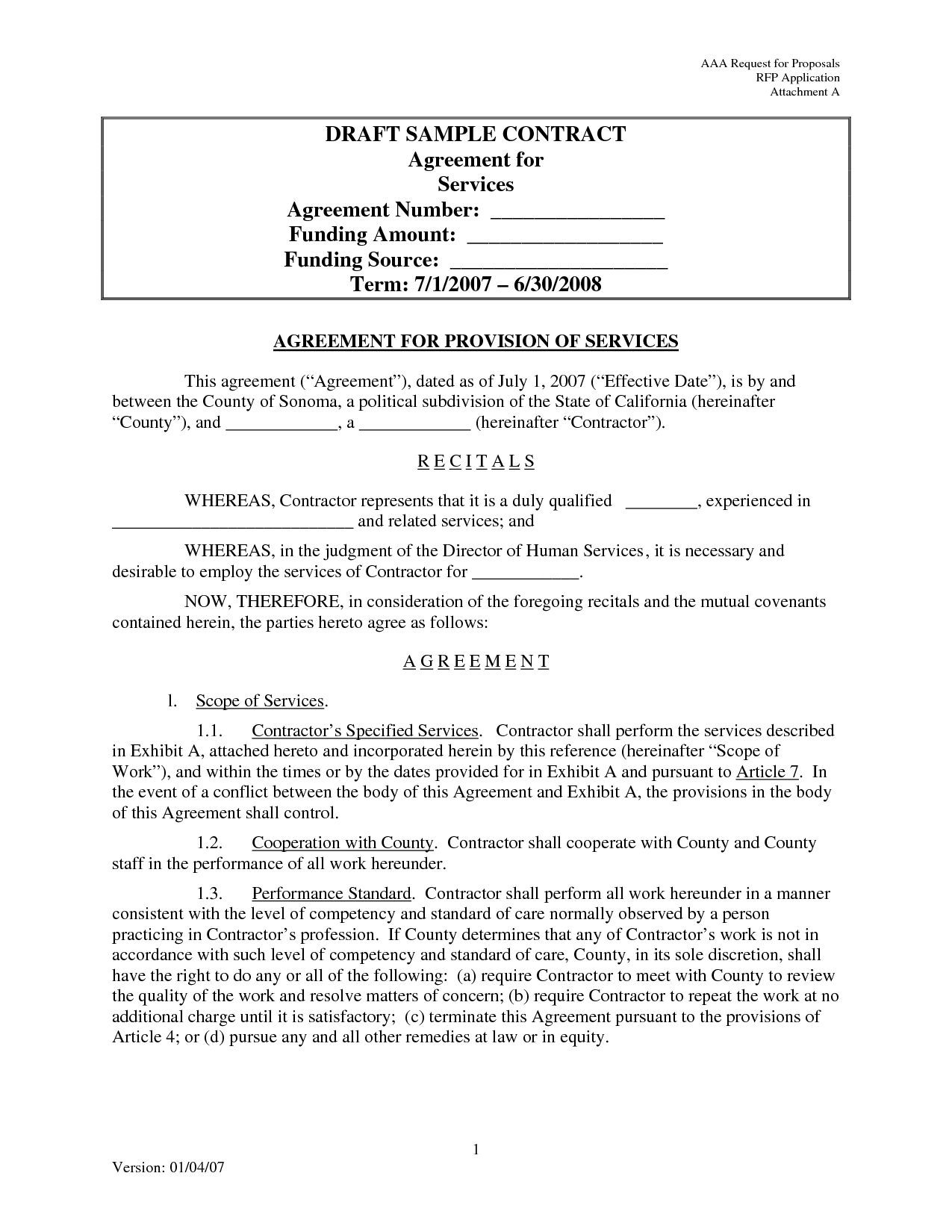
Free Printable Contract Agreement
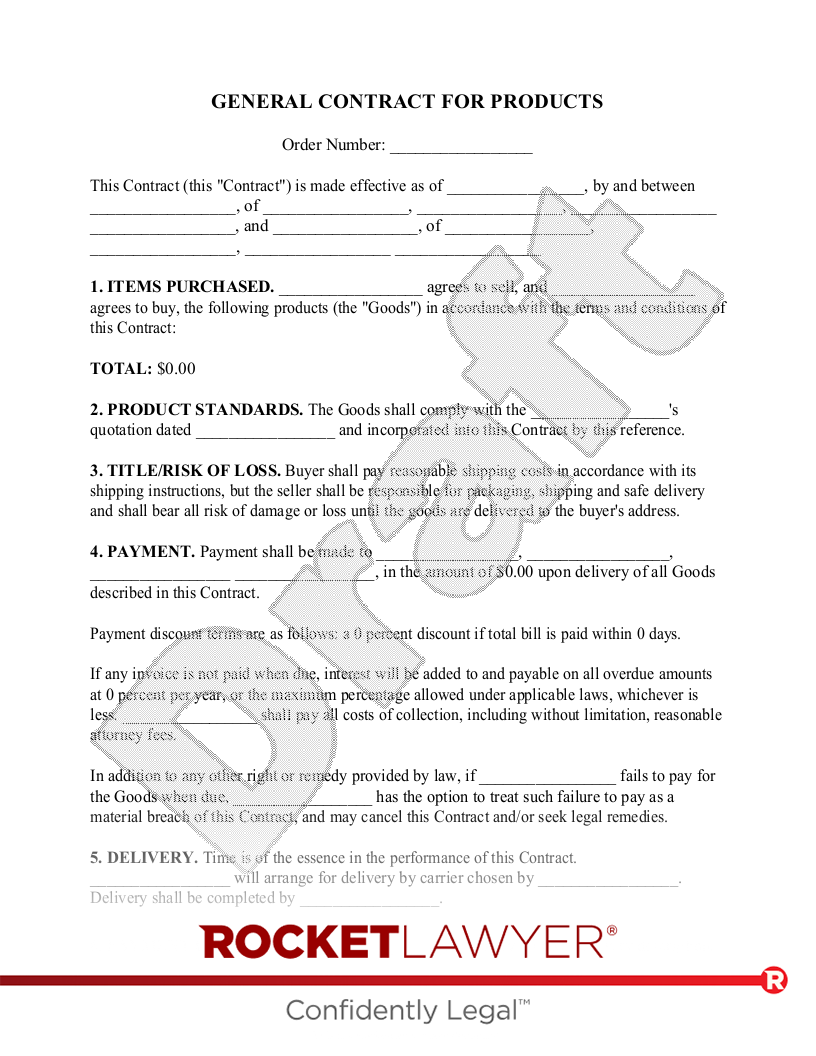
Contracts 101 Elements of a Contract Rocket Lawyer

What is a contract?
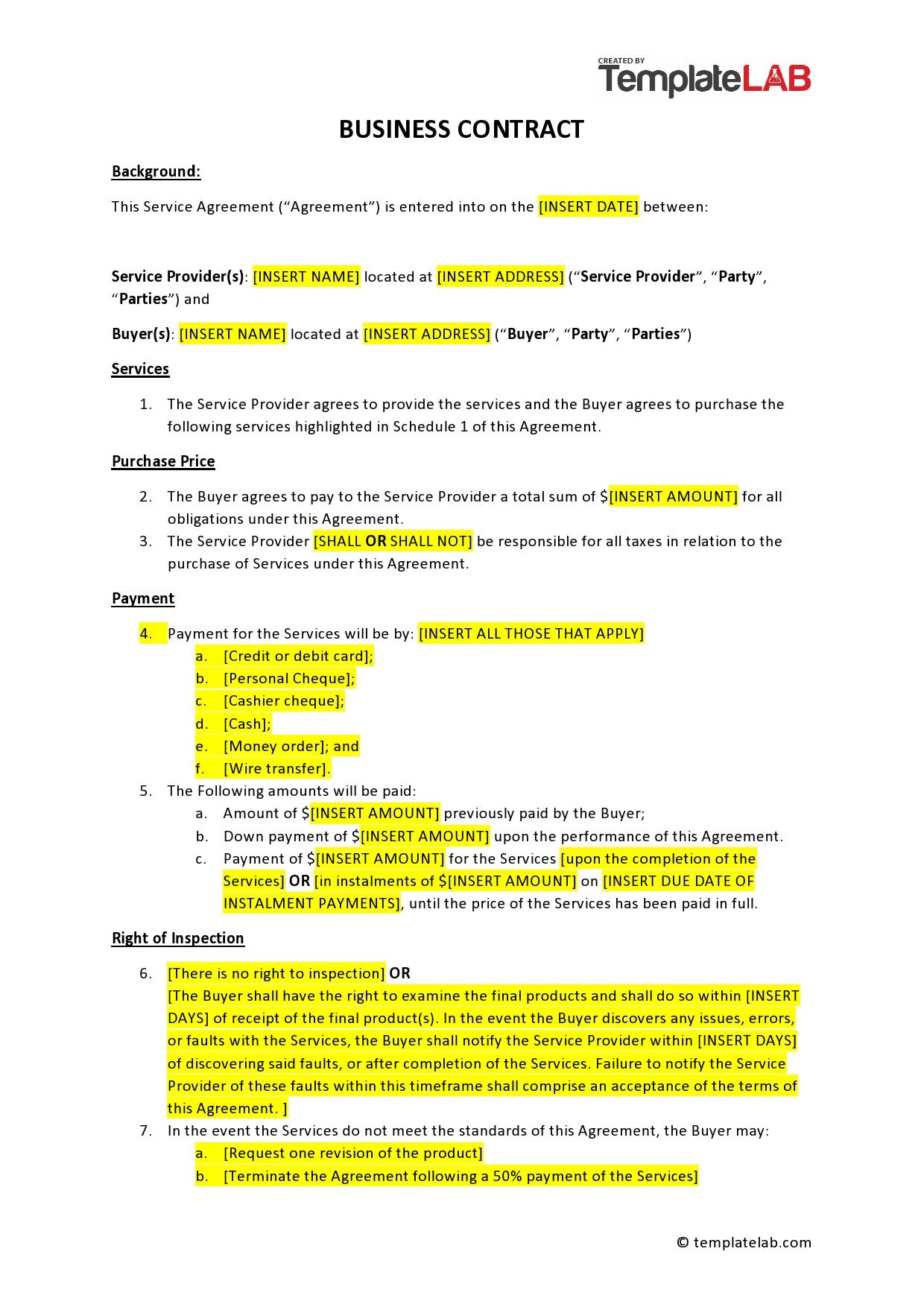
Writing A Contract Agreement Template Sampletemplatess

What is a Contract? San Diego Corporate Law
And Your Spcc Plan Needs To Include Them All.
It Serves As A Safeguard,.
A Secondary Containment Tank Is A Structure Or Device Designed To Contain Leaks, Spills, And Overflows That May Occur Within A Primary Storage Vessel.
Related Post: