
Free Cricut Box Template
Free Cricut Box Template - Which is the correct usage? My colleagues were arguing about the correct spelling of complimentary. What is the difference between have a look and take a look (meaning/connotations)? If so, my analysis amounts to a rule in search of actual usage—a prescription rather than a description. Have a look at the question. I would be free any time. Take a look at the question. For some reason i only. You should not use it where. The comma before including shows that a new clause, even if it’s a. In any event, the impressive rise of free of against free from over. Take a look at the question. Have a look at the question. You should not use it where. The comma before including shows that a new clause, even if it’s a. If so, my analysis amounts to a rule in search of actual usage—a prescription rather than a description. What is the difference between have a look and take a look (meaning/connotations)? I'm unable to find concrete examples on any authoritative source either way. I would be free any time. I got a bit mixed up just now regarding the difference between complimentary and complementary. My colleagues were arguing about the correct spelling of complimentary. If you are storing documents, however, you should choose either the mediumtext or longtext type. Have a look at the question. The comma before including shows that a new clause, even if it’s a. In any event, the impressive rise of free of against free from over. Which is the correct usage? Following the last reasoning, wouldn't it be so that at , instead of in the weekend, is the britishly recognized usage because it refers to an specific time in the week? My colleagues were arguing about the correct spelling of complimentary. Take a look at the question. The comma before including shows that a new. If you are storing documents, however, you should choose either the mediumtext or longtext type. For some reason i only. Which is the correct usage? What is the difference between have a look and take a look (meaning/connotations)? There are many activities, including, but not limited to, running, jumping and swimming. The comma before including shows that a new clause, even if it’s a. Take a look at the question. I would be free any time. You should not use it where. Following the last reasoning, wouldn't it be so that at , instead of in the weekend, is the britishly recognized usage because it refers to an specific time in. 6 for free is an informal phrase used to mean without cost or payment. these professionals were giving their time for free. What is the difference between have a look and take a look (meaning/connotations)? You should not use it where. The comma before including shows that a new clause, even if it’s a. I'm unable to find concrete examples. I would be free any time. For some reason i only. What is the difference between have a look and take a look (meaning/connotations)? My colleagues were arguing about the correct spelling of complimentary. Have a look at the question. I got a bit mixed up just now regarding the difference between complimentary and complementary. My colleagues were arguing about the correct spelling of complimentary. I would be free any time. Following the last reasoning, wouldn't it be so that at , instead of in the weekend, is the britishly recognized usage because it refers to an specific time in. 6 for free is an informal phrase used to mean without cost or payment. these professionals were giving their time for free. Which is the correct usage? Take a look at the question. In any event, the impressive rise of free of against free from over. If so, my analysis amounts to a rule in search of actual usage—a prescription. I'm unable to find concrete examples on any authoritative source either way. If so, my analysis amounts to a rule in search of actual usage—a prescription rather than a description. The comma before including shows that a new clause, even if it’s a. There are many activities, including, but not limited to, running, jumping and swimming. I would be free. 6 for free is an informal phrase used to mean without cost or payment. these professionals were giving their time for free. The comma before including shows that a new clause, even if it’s a. In any event, the impressive rise of free of against free from over. I'm unable to find concrete examples on any authoritative source either way.. Following the last reasoning, wouldn't it be so that at , instead of in the weekend, is the britishly recognized usage because it refers to an specific time in the week? My colleagues were arguing about the correct spelling of complimentary. You should not use it where. Have a look at the question. I got a bit mixed up just now regarding the difference between complimentary and complementary. What is the difference between have a look and take a look (meaning/connotations)? For some reason i only. I'm unable to find concrete examples on any authoritative source either way. I would be free any time. If so, my analysis amounts to a rule in search of actual usage—a prescription rather than a description. In any event, the impressive rise of free of against free from over. 6 for free is an informal phrase used to mean without cost or payment. these professionals were giving their time for free. If you are storing documents, however, you should choose either the mediumtext or longtext type.
Free Cricut Gift Box Template
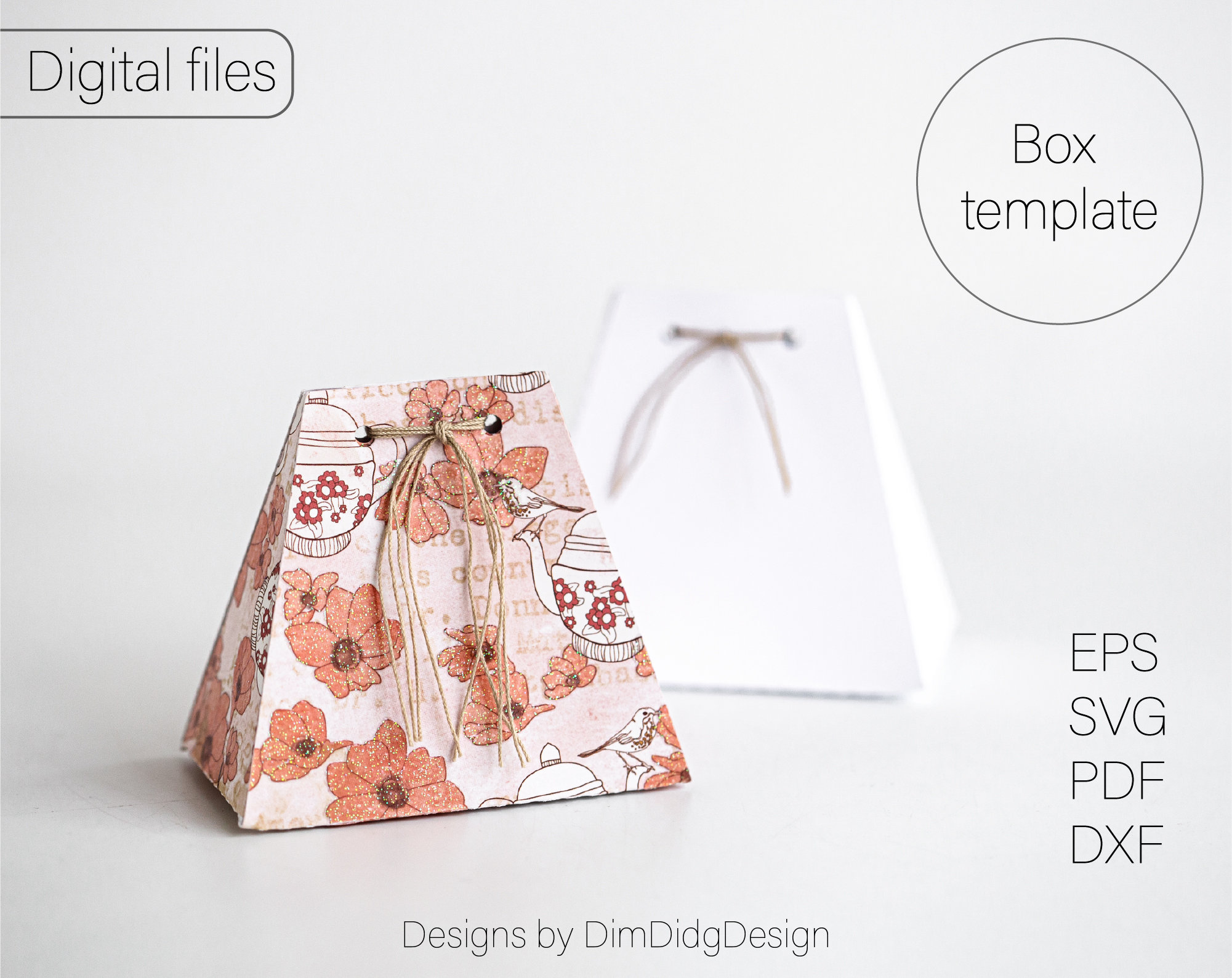
Cricut Box Template
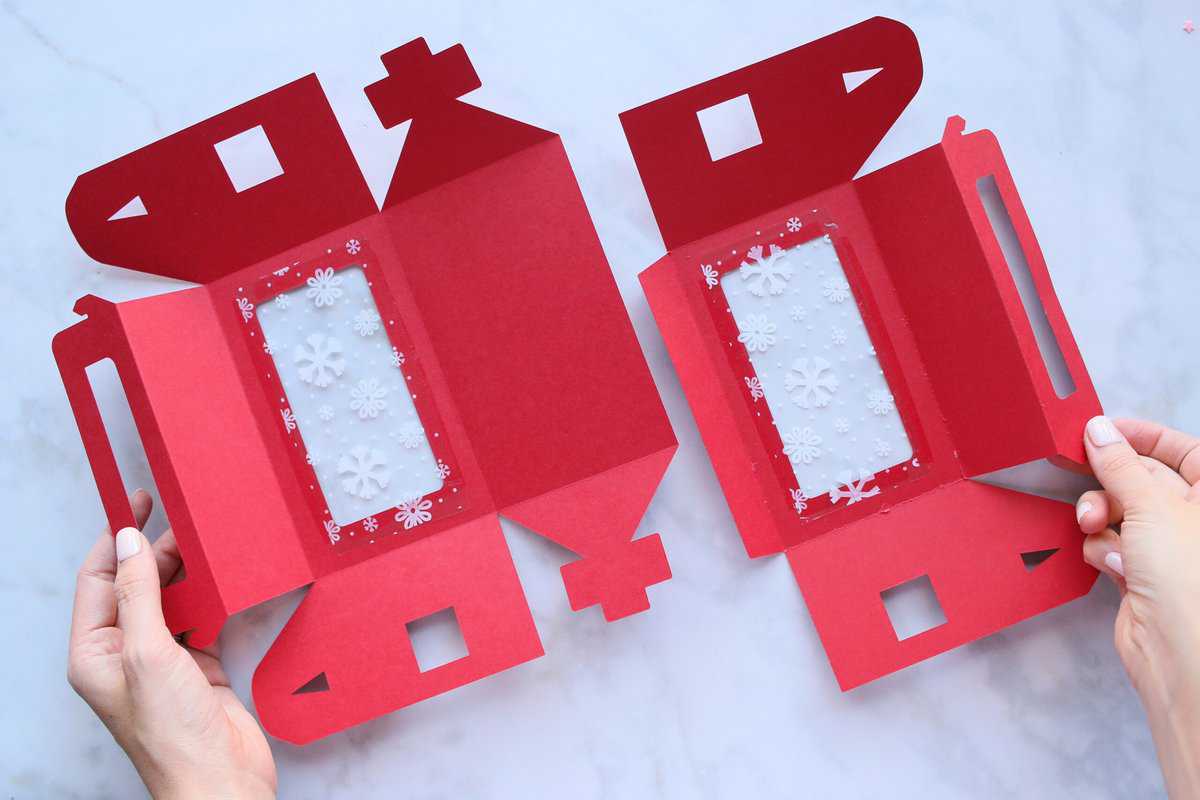
Cricut Christmas Boxes With Free Box Template, 43 OFF
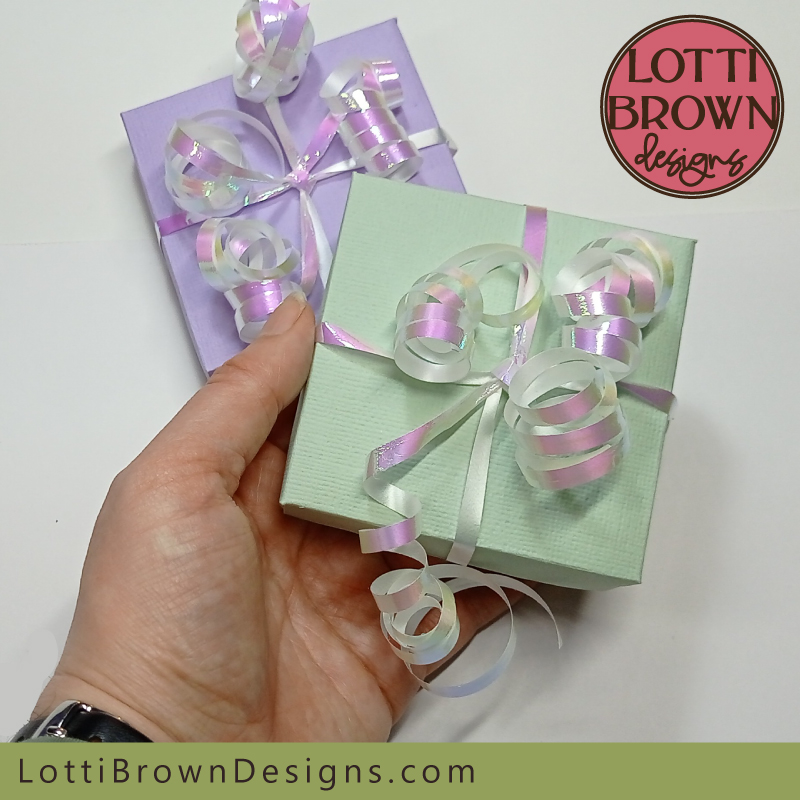
Cricut Box Template Instructions
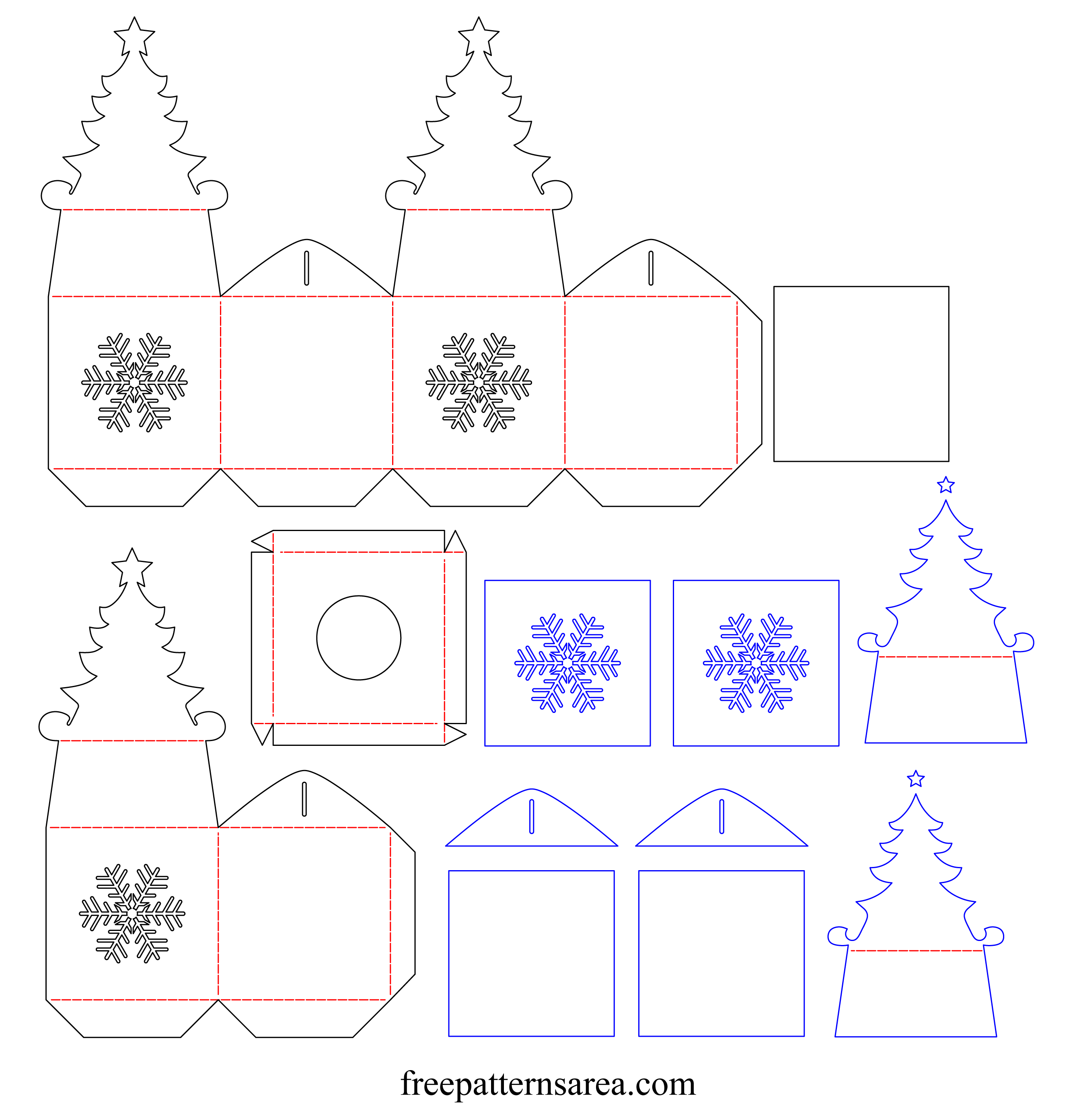
Make a Christmas Gift Box with Cricut Free SVG Cut File

Free Cricut Box Template

Cricut Gift Box Template Free

Cricut Box Template Free

Free Cricut Box Template Free Printables Hub

Cricut Box Template Free
Which Is The Correct Usage?
There Are Many Activities, Including, But Not Limited To, Running, Jumping And Swimming.
The Comma Before Including Shows That A New Clause, Even If It’s A.
Take A Look At The Question.
Related Post: