
Insubordination Write Up Template
Insubordination Write Up Template - Learn what insubordination means, if you can get fired for it, and how to avoid being insubordinate at work with tips to resolve conflicts with your superiors. Insubordination happens when an employee knowingly and deliberately disobeys workplace authority. It’s not a mistake or a misunderstanding—it’s an intentional decision to. Insubordination refers to a refusal to obey orders or a display of disrespect towards someone in a position of authority. Learn what constitutes insubordination in the workplace, how to identify it and best practices for employers to manage insubordinate behavior. In this article, we discuss. Understanding what constitutes insubordination and how to address this issue can help leaders maintain a positive, productive work environment. In the workplace, insubordination is what happens when a supervisor gives a direct order and an employee doesn't obey it. Insubordination is the act of willfully disobeying a superior, by being disrespectful to that superior, or by refusing to follow an instruction given by that superior. And more importantly, how can you. It’s not a mistake or a misunderstanding—it’s an intentional decision to. Insubordination happens when an employee knowingly and deliberately disobeys workplace authority. In the workplace, insubordination is what happens when a supervisor gives a direct order and an employee doesn't obey it. Learn what insubordination means, if you can get fired for it, and how to avoid being insubordinate at work with tips to resolve conflicts with your superiors. Insubordination is a deliberate act of defiance, disobedience, or refusal to follow a manager or employer’s instructions, orders, or authority in a professional or work. Insubordination is the act of willfully disobeying a superior, by being disrespectful to that superior, or by refusing to follow an instruction given by that superior. And more importantly, how can you. Understanding what constitutes insubordination and how to address this issue can help leaders maintain a positive, productive work environment. In this article, we discuss. Insubordination refers to a refusal to obey orders or a display of disrespect towards someone in a position of authority. Insubordination happens when an employee knowingly and deliberately disobeys workplace authority. Insubordination is the act of willfully disobeying a superior, by being disrespectful to that superior, or by refusing to follow an instruction given by that superior. Workplace insubordination is often a signal that something deeper is off in your team building dynamics. This behavior might manifest as outright refusal. It’s not a mistake or a misunderstanding—it’s an intentional decision to. And more importantly, how can you. Insubordination is a deliberate act of defiance, disobedience, or refusal to follow a manager or employer’s instructions, orders, or authority in a professional or work. Insubordination is the act of willfully disobeying a superior, by being disrespectful to that superior, or by refusing. And more importantly, how can you. Insubordination happens when an employee knowingly and deliberately disobeys workplace authority. Understanding what constitutes insubordination and how to address this issue can help leaders maintain a positive, productive work environment. It’s not a mistake or a misunderstanding—it’s an intentional decision to. Workplace insubordination is often a signal that something deeper is off in your. Learn what insubordination means, if you can get fired for it, and how to avoid being insubordinate at work with tips to resolve conflicts with your superiors. Insubordination happens when an employee knowingly and deliberately disobeys workplace authority. Insubordination is the act of willfully disobeying a superior, by being disrespectful to that superior, or by refusing to follow an instruction. Workplace insubordination is often a signal that something deeper is off in your team building dynamics. It’s not a mistake or a misunderstanding—it’s an intentional decision to. And more importantly, how can you. Insubordination happens when an employee knowingly and deliberately disobeys workplace authority. Insubordination is a deliberate act of defiance, disobedience, or refusal to follow a manager or employer’s. Insubordination refers to a refusal to obey orders or a display of disrespect towards someone in a position of authority. Learn what constitutes insubordination in the workplace, how to identify it and best practices for employers to manage insubordinate behavior. Learn what insubordination means, if you can get fired for it, and how to avoid being insubordinate at work with. Insubordination at work isn’t always dramatic, but it can quickly disrupt productivity, damage workplace relationships, and affect your company’s culture. And more importantly, how can you. In the workplace, insubordination is what happens when a supervisor gives a direct order and an employee doesn't obey it. Insubordination is a deliberate act of defiance, disobedience, or refusal to follow a manager. Insubordination is a deliberate act of defiance, disobedience, or refusal to follow a manager or employer’s instructions, orders, or authority in a professional or work. In this article, we discuss. Insubordination refers to a refusal to obey orders or a display of disrespect towards someone in a position of authority. This behavior might manifest as outright refusal to perform. Insubordination. This behavior might manifest as outright refusal to perform. Insubordination at work isn’t always dramatic, but it can quickly disrupt productivity, damage workplace relationships, and affect your company’s culture. Understanding what constitutes insubordination and how to address this issue can help leaders maintain a positive, productive work environment. It’s not a mistake or a misunderstanding—it’s an intentional decision to. In. Insubordination refers to a refusal to obey orders or a display of disrespect towards someone in a position of authority. This behavior might manifest as outright refusal to perform. Learn what insubordination means, if you can get fired for it, and how to avoid being insubordinate at work with tips to resolve conflicts with your superiors. In the workplace, insubordination. This behavior might manifest as outright refusal to perform. Insubordination is a deliberate act of defiance, disobedience, or refusal to follow a manager or employer’s instructions, orders, or authority in a professional or work. Insubordination happens when an employee knowingly and deliberately disobeys workplace authority. And more importantly, how can you. Learn what constitutes insubordination in the workplace, how to identify it and best practices for employers to manage insubordinate behavior. Workplace insubordination is often a signal that something deeper is off in your team building dynamics. Insubordination is the act of willfully disobeying a superior, by being disrespectful to that superior, or by refusing to follow an instruction given by that superior. Understanding what constitutes insubordination and how to address this issue can help leaders maintain a positive, productive work environment. In this article, we discuss. Insubordination at work isn’t always dramatic, but it can quickly disrupt productivity, damage workplace relationships, and affect your company’s culture. Insubordination refers to a refusal to obey orders or a display of disrespect towards someone in a position of authority.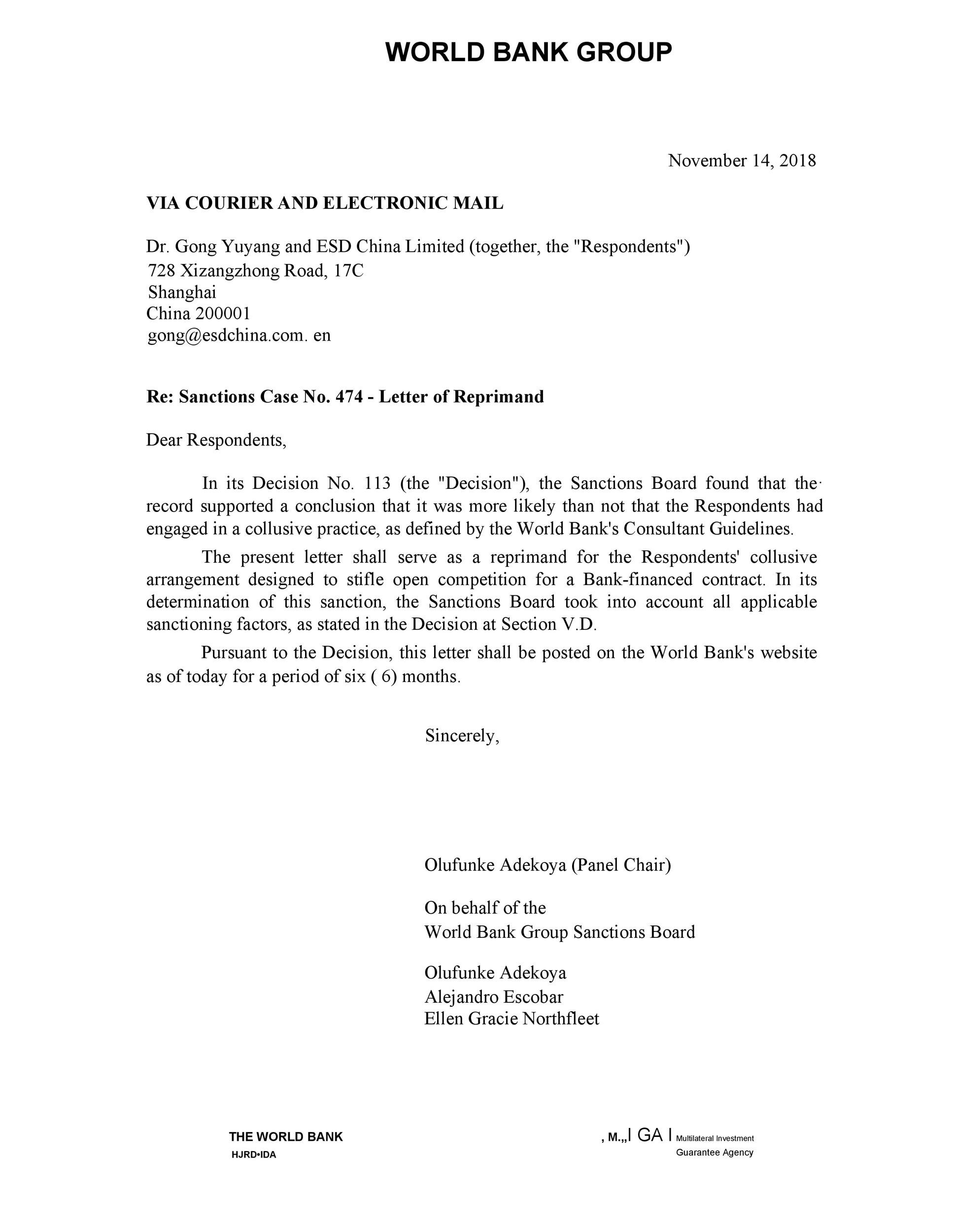
Insubordination Write Up Template prntbl.concejomunicipaldechinu.gov.co
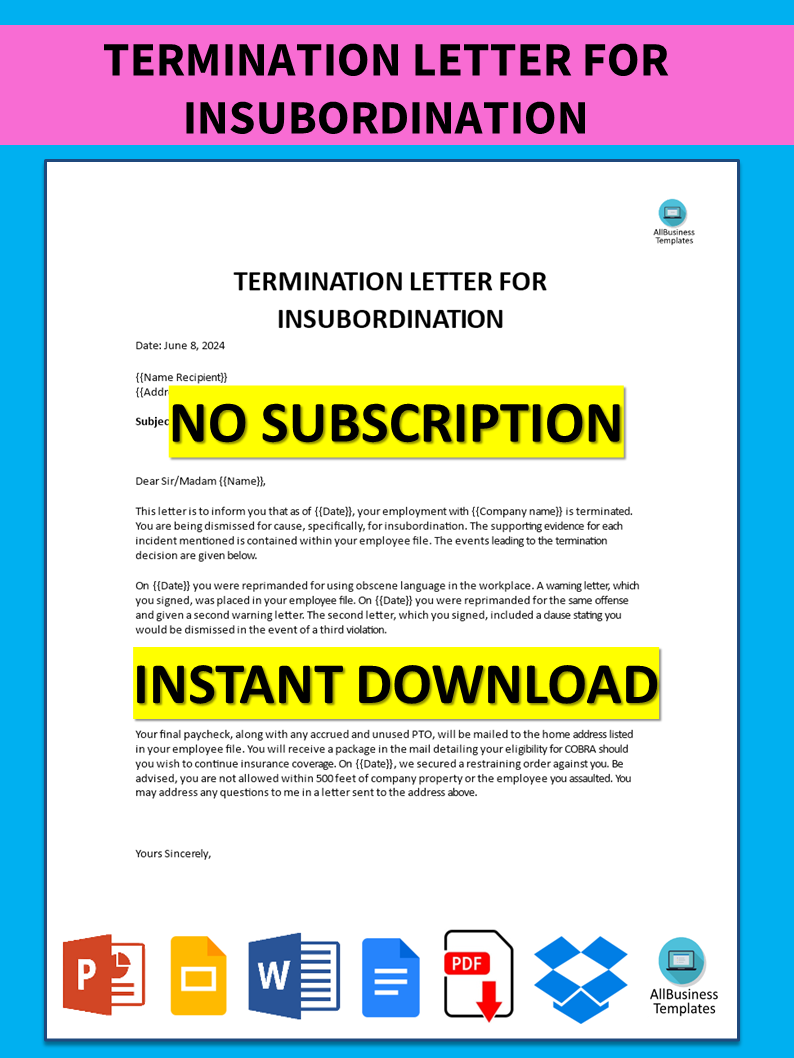
Insubordination Write Up Template
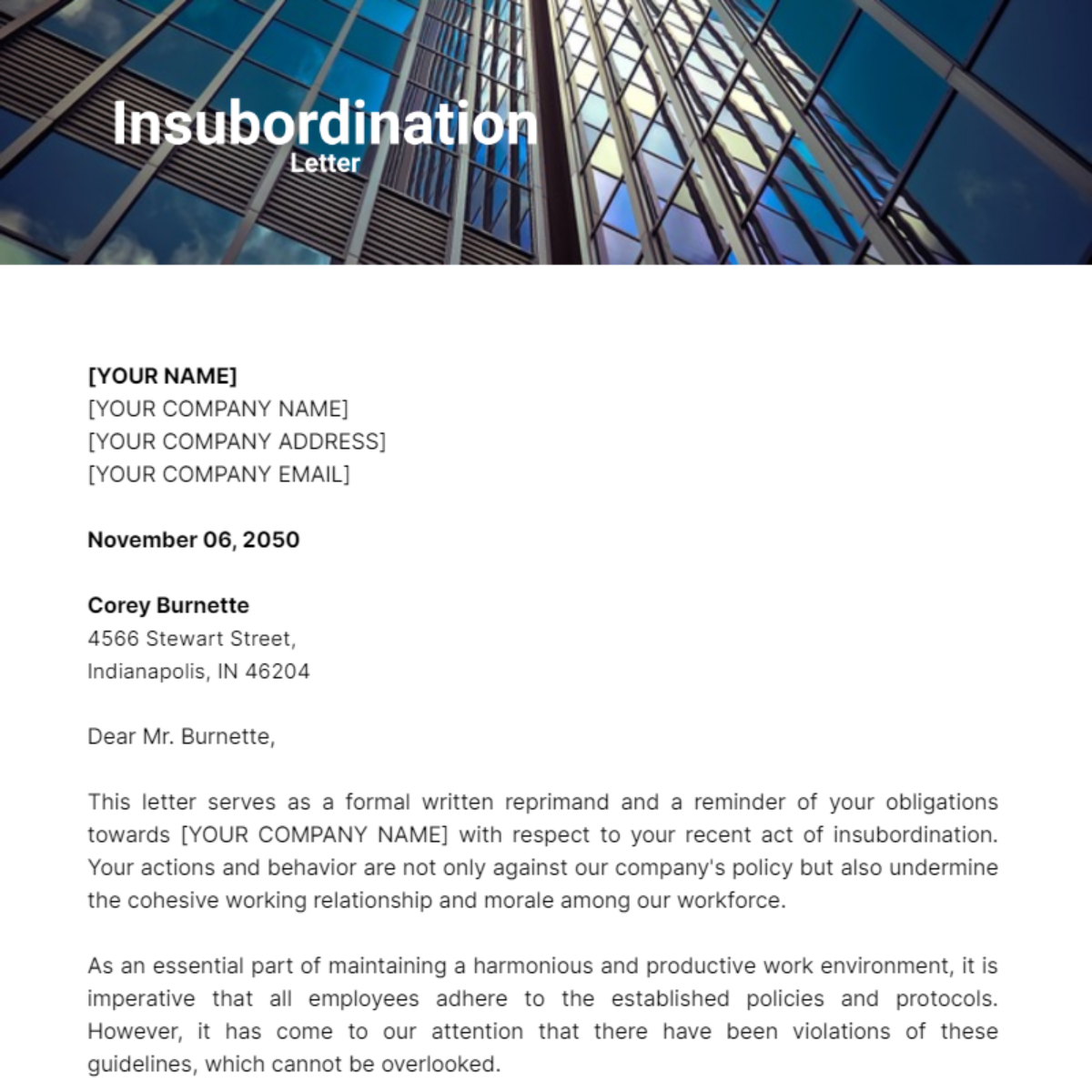
Insubordination Letter Template
Insubordination Write Up Template prntbl.concejomunicipaldechinu.gov.co
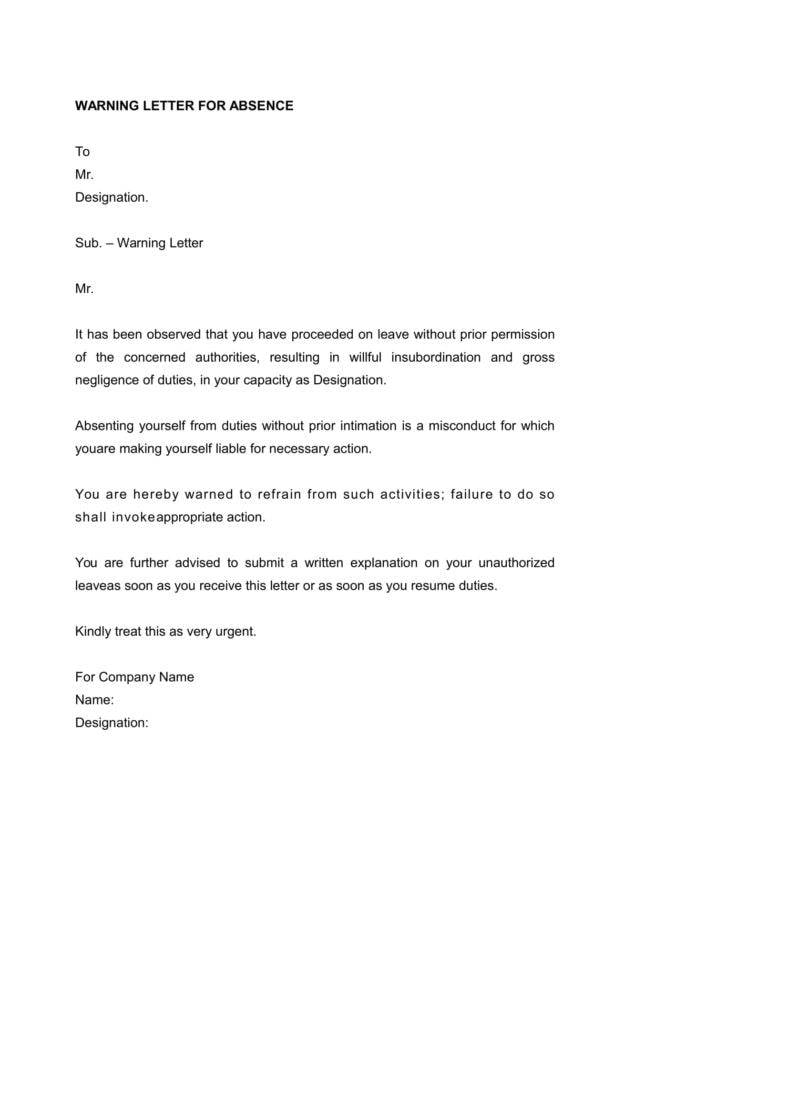
Insubordination Write Up Template prntbl.concejomunicipaldechinu.gov.co
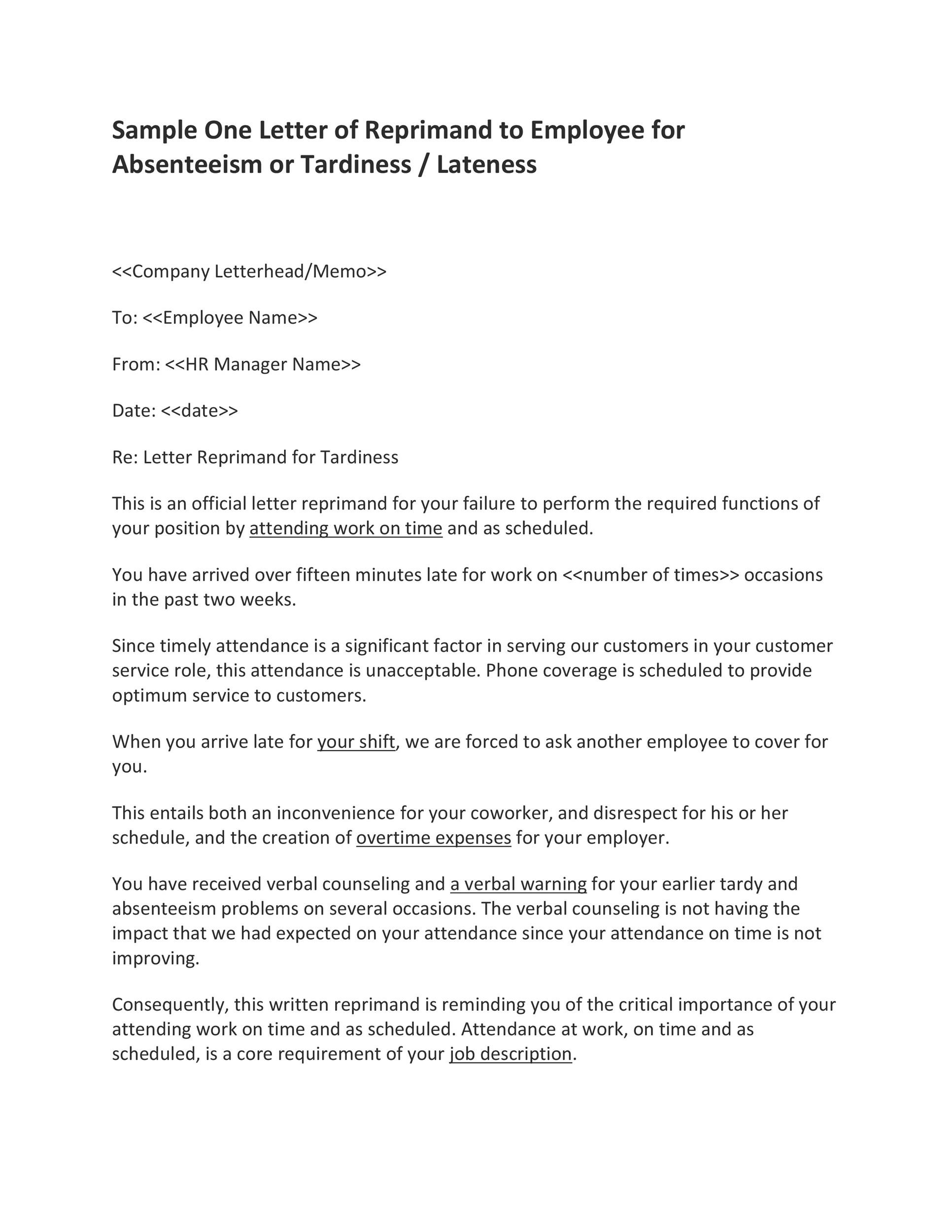
Insubordination Write Up Template prntbl.concejomunicipaldechinu.gov.co
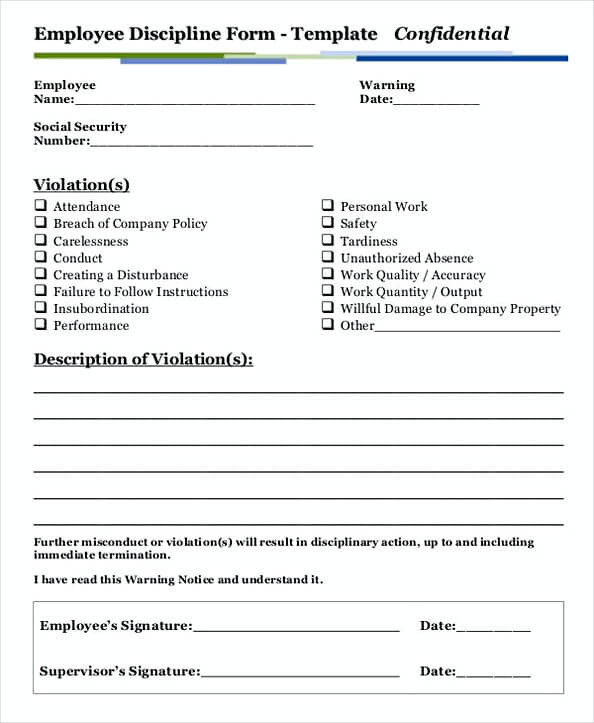
Insubordination Write Up Template

Attendance Write Up Template
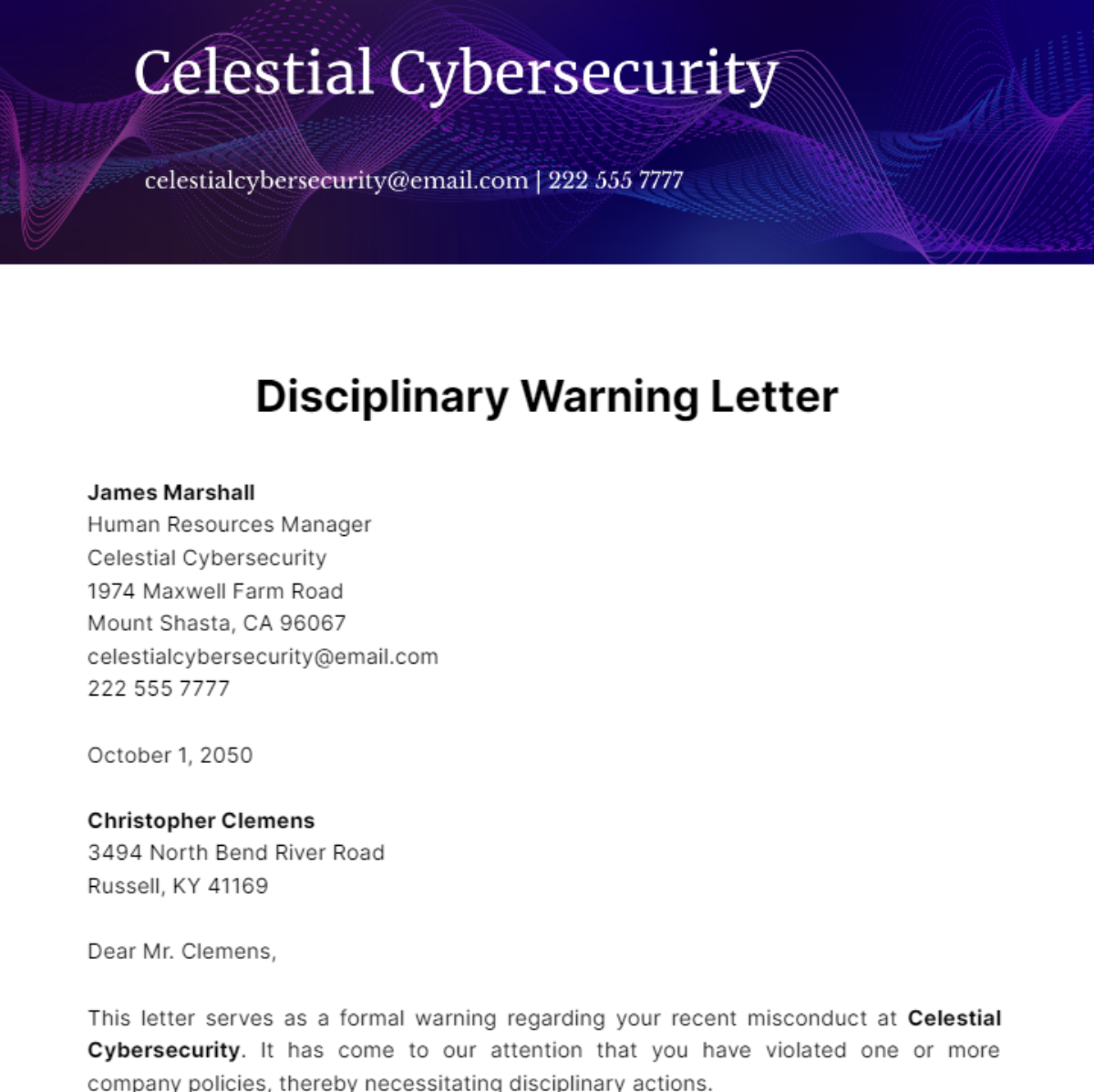
Insubordination Warning Letter Template Word
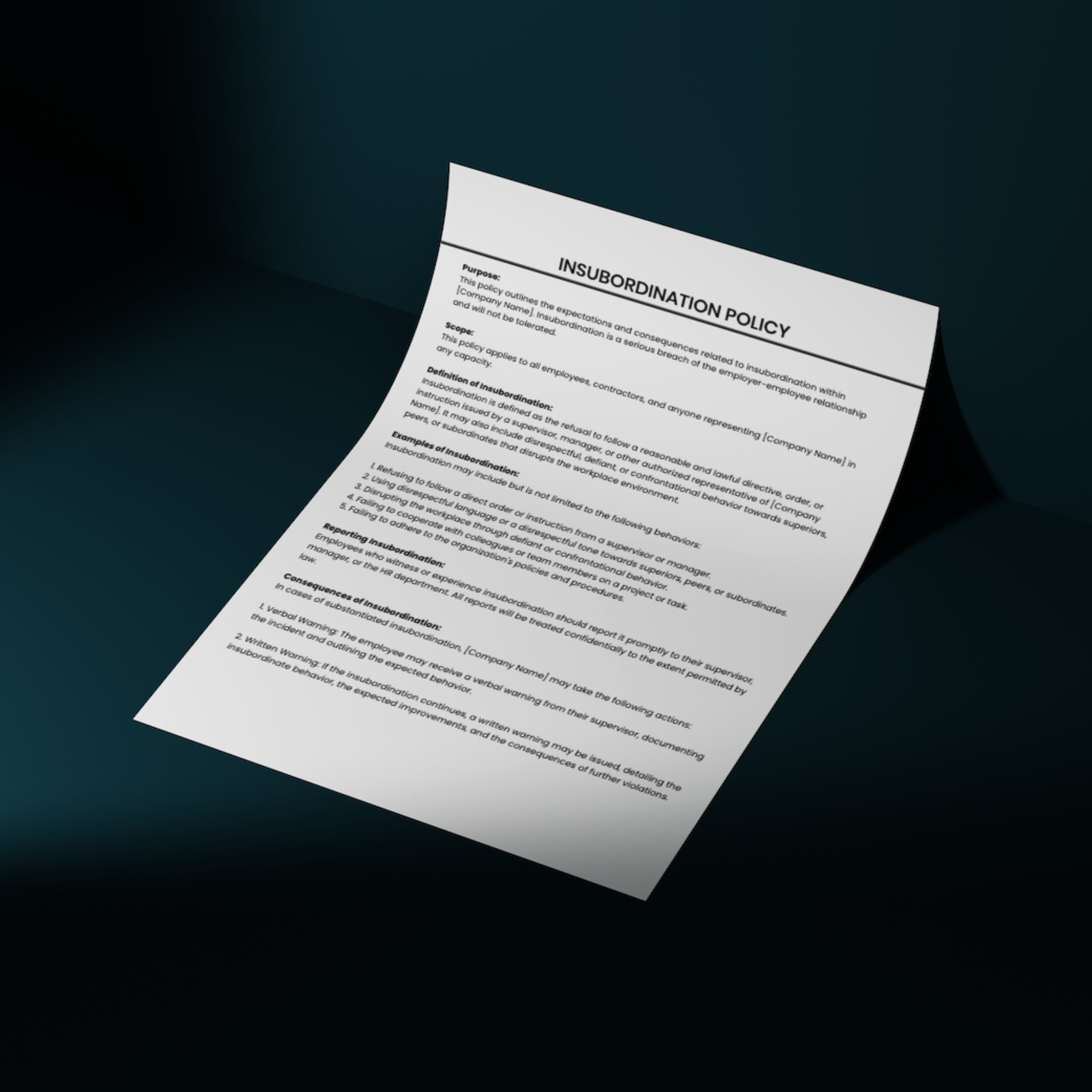
Insubordination Policy Template Human Resources Employee Onboarding HR
In The Workplace, Insubordination Is What Happens When A Supervisor Gives A Direct Order And An Employee Doesn't Obey It.
It’s Not A Mistake Or A Misunderstanding—It’s An Intentional Decision To.
Learn What Insubordination Means, If You Can Get Fired For It, And How To Avoid Being Insubordinate At Work With Tips To Resolve Conflicts With Your Superiors.
Related Post: