
P16 Label Template
P16 Label Template - Diffuse and strong nuclear and cytoplasmic reactivity (block type staining); Sample pathology report cervix, biopsy: Hpv associated squamous cell carcinoma is a stromal invasive squamous cell carcinoma with immunohistochemically or molecular verified hpv association P16 (by immunohistochemistry) for anogenital carcinomas and premalignant lesions negative (cytoplasmic only staining, patchy nonblock type staining or diffuse blush / weak intensity. 1 of 9 members of paired box gene (pax) family of transcription factors that regulate organogenesis Answer a is incorrect because the. Answer b is incorrect because ki67 shows only a variable growth fraction as in many other lesions. It is associated with human. P16 immunohistochemistry is not recommended as a routine adjunct assessment when the biopsy interpretation is negative, cin i or cin iii. Invasive squamous cell carcinoma, poorly differentiated ancillary studies: Improper use / interpretation may lead to overdiagnosis of hsil surgical excision is the. Hpv associated squamous cell carcinoma is a stromal invasive squamous cell carcinoma with immunohistochemically or molecular verified hpv association P16 immunohistochemistry is not recommended as a routine adjunct assessment when the biopsy interpretation is negative, cin i or cin iii. Squamous dysplasia is noninvasive neoplastic proliferation of the anal squamous epithelium with cytologic and architectural abnormalities; Answer a is incorrect because the. Cytomorphologic overlap also p16 + and high risk hpv+ adenoid cystic carcinoma, solid type basaloid tumor cells with high n/c ratio and angulated nuclei cd117 (c. Answer c is incorrect because p16 is overexpressed in hpv associated. 1 of 9 members of paired box gene (pax) family of transcription factors that regulate organogenesis Invasive squamous cell carcinoma, poorly differentiated ancillary studies: Diffuse and strong nuclear and cytoplasmic reactivity (block type staining); P16 immunohistochemistry is not recommended as a routine adjunct assessment when the biopsy interpretation is negative, cin i or cin iii. 1 of 9 members of paired box gene (pax) family of transcription factors that regulate organogenesis Improper use / interpretation may lead to overdiagnosis of hsil surgical excision is the. P16 (by immunohistochemistry) for anogenital carcinomas and premalignant lesions. Improper use / interpretation may lead to overdiagnosis of hsil surgical excision is the. Answer b is incorrect because ki67 shows only a variable growth fraction as in many other lesions. Answer c is incorrect because p16 is overexpressed in hpv associated. P16 (by immunohistochemistry) for anogenital carcinomas and premalignant lesions negative (cytoplasmic only staining, patchy nonblock type staining or. P16 immunohistochemistry is not recommended as a routine adjunct assessment when the biopsy interpretation is negative, cin i or cin iii. 1 of 9 members of paired box gene (pax) family of transcription factors that regulate organogenesis Answer b is incorrect because ki67 shows only a variable growth fraction as in many other lesions. P16 (by immunohistochemistry) for anogenital carcinomas. Hpv associated squamous cell carcinoma is a stromal invasive squamous cell carcinoma with immunohistochemically or molecular verified hpv association P16 immunohistochemistry is not recommended as a routine adjunct assessment when the biopsy interpretation is negative, cin i or cin iii. The malignant cells are diffusely positive for cytokeratin 5/6,. Diffuse and strong nuclear and cytoplasmic reactivity (block type staining); 1. Sample pathology report cervix, biopsy: It is associated with human. P16 immunohistochemistry is not recommended as a routine adjunct assessment when the biopsy interpretation is negative, cin i or cin iii. P16 (by immunohistochemistry) for anogenital carcinomas and premalignant lesions negative (cytoplasmic only staining, patchy nonblock type staining or diffuse blush / weak intensity. Diffuse and strong nuclear and cytoplasmic. Diffuse and strong nuclear and cytoplasmic reactivity (block type staining); Answer a is incorrect because the. Squamous dysplasia is noninvasive neoplastic proliferation of the anal squamous epithelium with cytologic and architectural abnormalities; It is associated with human. P16 immunohistochemistry is not recommended as a routine adjunct assessment when the biopsy interpretation is negative, cin i or cin iii. The malignant cells are diffusely positive for cytokeratin 5/6,. P16 immunohistochemistry is not recommended as a routine adjunct assessment when the biopsy interpretation is negative, cin i or cin iii. Diffuse and strong nuclear and cytoplasmic reactivity (block type staining); Squamous dysplasia is noninvasive neoplastic proliferation of the anal squamous epithelium with cytologic and architectural abnormalities; 1 of 9 members. Hpv associated squamous cell carcinoma is a stromal invasive squamous cell carcinoma with immunohistochemically or molecular verified hpv association It is associated with human. Answer b is incorrect because ki67 shows only a variable growth fraction as in many other lesions. 1 of 9 members of paired box gene (pax) family of transcription factors that regulate organogenesis Sample pathology report. P16 (by immunohistochemistry) for anogenital carcinomas and premalignant lesions negative (cytoplasmic only staining, patchy nonblock type staining or diffuse blush / weak intensity. Squamous dysplasia is noninvasive neoplastic proliferation of the anal squamous epithelium with cytologic and architectural abnormalities; Answer a is incorrect because the. Cytomorphologic overlap also p16 + and high risk hpv+ adenoid cystic carcinoma, solid type basaloid. Sample pathology report cervix, biopsy: P16 (by immunohistochemistry) for anogenital carcinomas and premalignant lesions negative (cytoplasmic only staining, patchy nonblock type staining or diffuse blush / weak intensity. Answer b is incorrect because ki67 shows only a variable growth fraction as in many other lesions. The malignant cells are diffusely positive for cytokeratin 5/6,. Hpv associated squamous cell carcinoma is. P16 (by immunohistochemistry) for anogenital carcinomas and premalignant lesions negative (cytoplasmic only staining, patchy nonblock type staining or diffuse blush / weak intensity. P16 immunohistochemistry is not recommended as a routine adjunct assessment when the biopsy interpretation is negative, cin i or cin iii. Squamous dysplasia is noninvasive neoplastic proliferation of the anal squamous epithelium with cytologic and architectural abnormalities; Answer c is incorrect because p16 is overexpressed in hpv associated. It is associated with human. Answer a is incorrect because the. Invasive squamous cell carcinoma, poorly differentiated ancillary studies: Improper use / interpretation may lead to overdiagnosis of hsil surgical excision is the. The malignant cells are diffusely positive for cytokeratin 5/6,. Sample pathology report cervix, biopsy: Diffuse and strong nuclear and cytoplasmic reactivity (block type staining); Answer b is incorrect because ki67 shows only a variable growth fraction as in many other lesions.
Price Label Template in Word, PDF Download

P16 Label Template Printable Word Searches

Free School Label Template to Edit Online
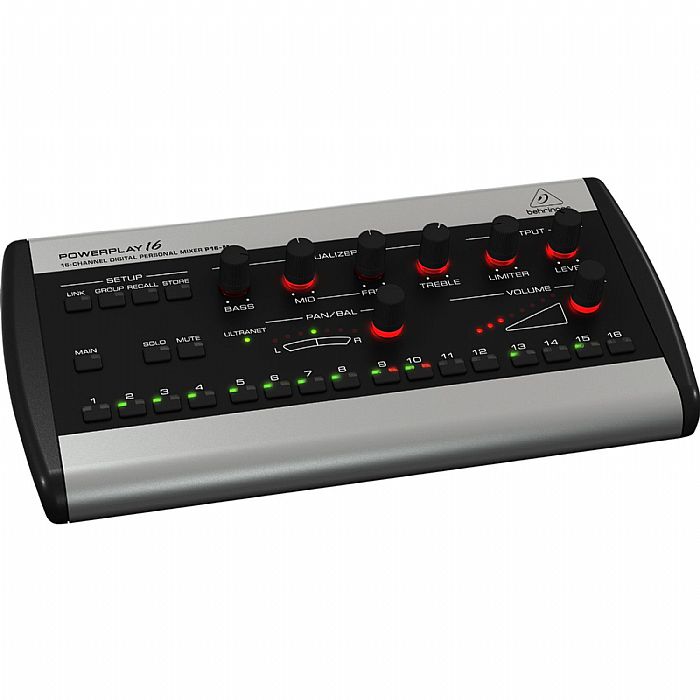
P16 Label Template

Free Personalized Round Label Template to Edit Online

Free Clothing Label Template to Edit Online

Free Book Name Label Template to Edit Online
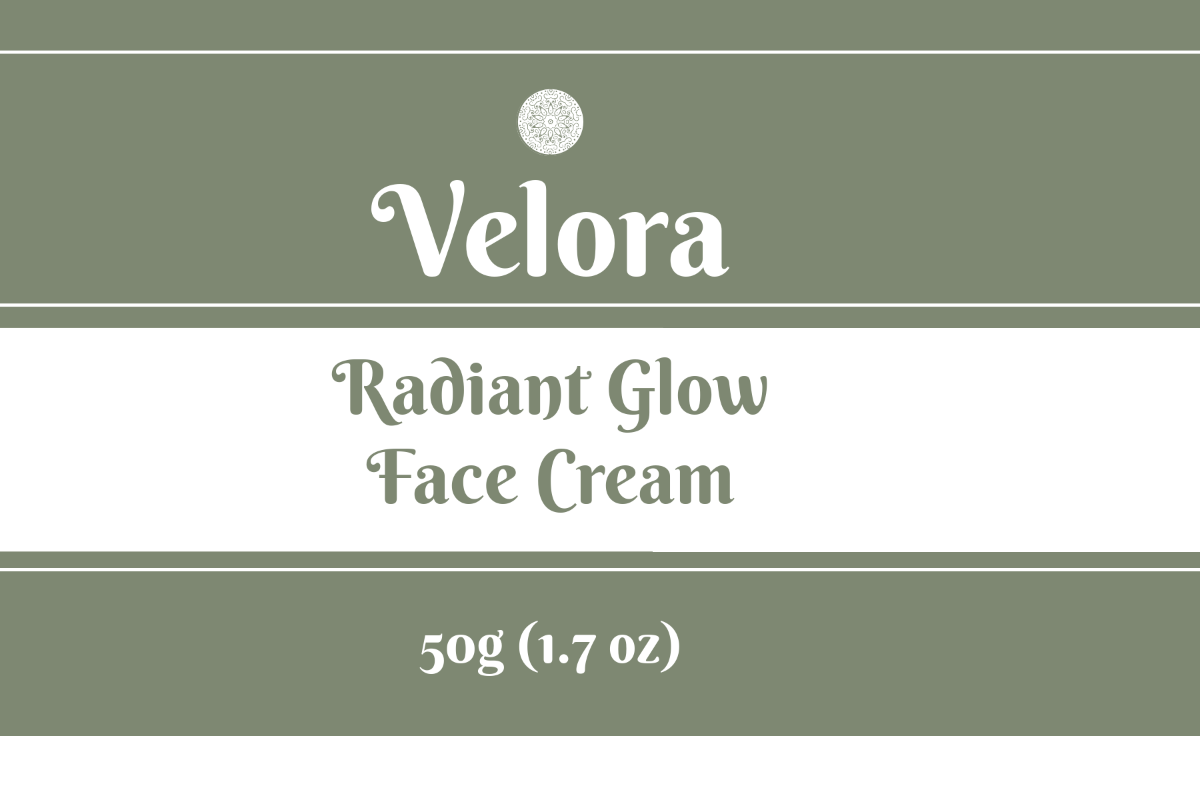
Free Dishwashing Liquid Label Template to Edit Online

Free Prescription Bottle Label Template Edit Online & Download

P16 Label Template Printable Word Searches
Hpv Associated Squamous Cell Carcinoma Is A Stromal Invasive Squamous Cell Carcinoma With Immunohistochemically Or Molecular Verified Hpv Association
Cytomorphologic Overlap Also P16 + And High Risk Hpv+ Adenoid Cystic Carcinoma, Solid Type Basaloid Tumor Cells With High N/C Ratio And Angulated Nuclei Cd117 (C.
1 Of 9 Members Of Paired Box Gene (Pax) Family Of Transcription Factors That Regulate Organogenesis
Related Post: