
The Cat In The Hat Template
The Cat In The Hat Template - So if my file has around 2m lines, i'd like to split it up into 10 files t. I've got a large (by number of lines) plain text file that i'd like to split into smaller files, also by number of lines. I'm trying to use something in bash to show me the line endings in a file printed rather than interpreted. To combine stderr and stdout into the stdout stream, we append this to a command: My cat method is similar, sending the output of a command into the while block for consumption by 'read', too, only it launches another program to get the work done. 2>&1 for example, the following command shows the first few errors from compiling main.cpp: I need to retrieve last 100 lines of logs from the log file. I think that something was wrong with the file. Certs should be followed by the issuing cert until the last cert is issued by a known root per ietf's rfc 5246 section 7.4.2 this is a sequence (chain). Open a ssh session to the server cat filename copy the output to the clipboard rm filename touch filename vi. This will append data from a command to the end of a text file. My cat method is similar, sending the output of a command into the while block for consumption by 'read', too, only it launches another program to get the work done. So if my file has around 2m lines, i'd like to split it up into 10 files t. Echo hi this is a test >> textfile.txt do this a couple of times. To test this try running: To combine stderr and stdout into the stdout stream, we append this to a command: I'm trying to use something in bash to show me the line endings in a file printed rather than interpreted. Open a ssh session to the server cat filename copy the output to the clipboard rm filename touch filename vi. 2>&1 for example, the following command shows the first few errors from compiling main.cpp: Certs should be followed by the issuing cert until the last cert is issued by a known root per ietf's rfc 5246 section 7.4.2 this is a sequence (chain). Echo hi this is a test >> textfile.txt do this a couple of times. So if my file has around 2m lines, i'd like to split it up into 10 files t. I'm trying to use something in bash to show me the line endings in a file printed rather than interpreted. Certs should be followed by the issuing cert. I think that something was wrong with the file. 2>&1 for example, the following command shows the first few errors from compiling main.cpp: I've got a large (by number of lines) plain text file that i'd like to split into smaller files, also by number of lines. You can use the >> operator. Certs should be followed by the issuing. I've got a large (by number of lines) plain text file that i'd like to split into smaller files, also by number of lines. You can use the >> operator. So if my file has around 2m lines, i'd like to split it up into 10 files t. I'm trying to use something in bash to show me the line. This will append data from a command to the end of a text file. Examples of cat <<eof syntax. I think that something was wrong with the file. 2>&1 for example, the following command shows the first few errors from compiling main.cpp: The original order is in fact backwards. You can use the >> operator. Examples of cat <<eof syntax. To test this try running: The file is a dump from ssis/sql server being read in by a linux machine for. My cat method is similar, sending the output of a command into the while block for consumption by 'read', too, only it launches another program to get the. To combine stderr and stdout into the stdout stream, we append this to a command: Examples of cat <<eof syntax. My cat method is similar, sending the output of a command into the while block for consumption by 'read', too, only it launches another program to get the work done. You can use the >> operator. Certs should be followed. The original order is in fact backwards. This will append data from a command to the end of a text file. I've got a large (by number of lines) plain text file that i'd like to split into smaller files, also by number of lines. 2>&1 for example, the following command shows the first few errors from compiling main.cpp: How. Echo hi this is a test >> textfile.txt do this a couple of times. How can i pipe the output of a command into my clipboard and paste it back when using a terminal? I need to retrieve last 100 lines of logs from the log file. Examples of cat <<eof syntax. To combine stderr and stdout into the stdout. 2>&1 for example, the following command shows the first few errors from compiling main.cpp: I've got a large (by number of lines) plain text file that i'd like to split into smaller files, also by number of lines. Open a ssh session to the server cat filename copy the output to the clipboard rm filename touch filename vi. I think. Open a ssh session to the server cat filename copy the output to the clipboard rm filename touch filename vi. Certs should be followed by the issuing cert until the last cert is issued by a known root per ietf's rfc 5246 section 7.4.2 this is a sequence (chain). You can use the >> operator. Echo hi this is a. How can i pipe the output of a command into my clipboard and paste it back when using a terminal? This will append data from a command to the end of a text file. The file is a dump from ssis/sql server being read in by a linux machine for. To test this try running: Examples of cat < I think that something was wrong with the file. I'm trying to use something in bash to show me the line endings in a file printed rather than interpreted. 2>&1 for example, the following command shows the first few errors from compiling main.cpp: My cat method is similar, sending the output of a command into the while block for consumption by 'read', too, only it launches another program to get the work done. You can use the >> operator. The original order is in fact backwards.
cat png image, free download picture, kitten transparent image download
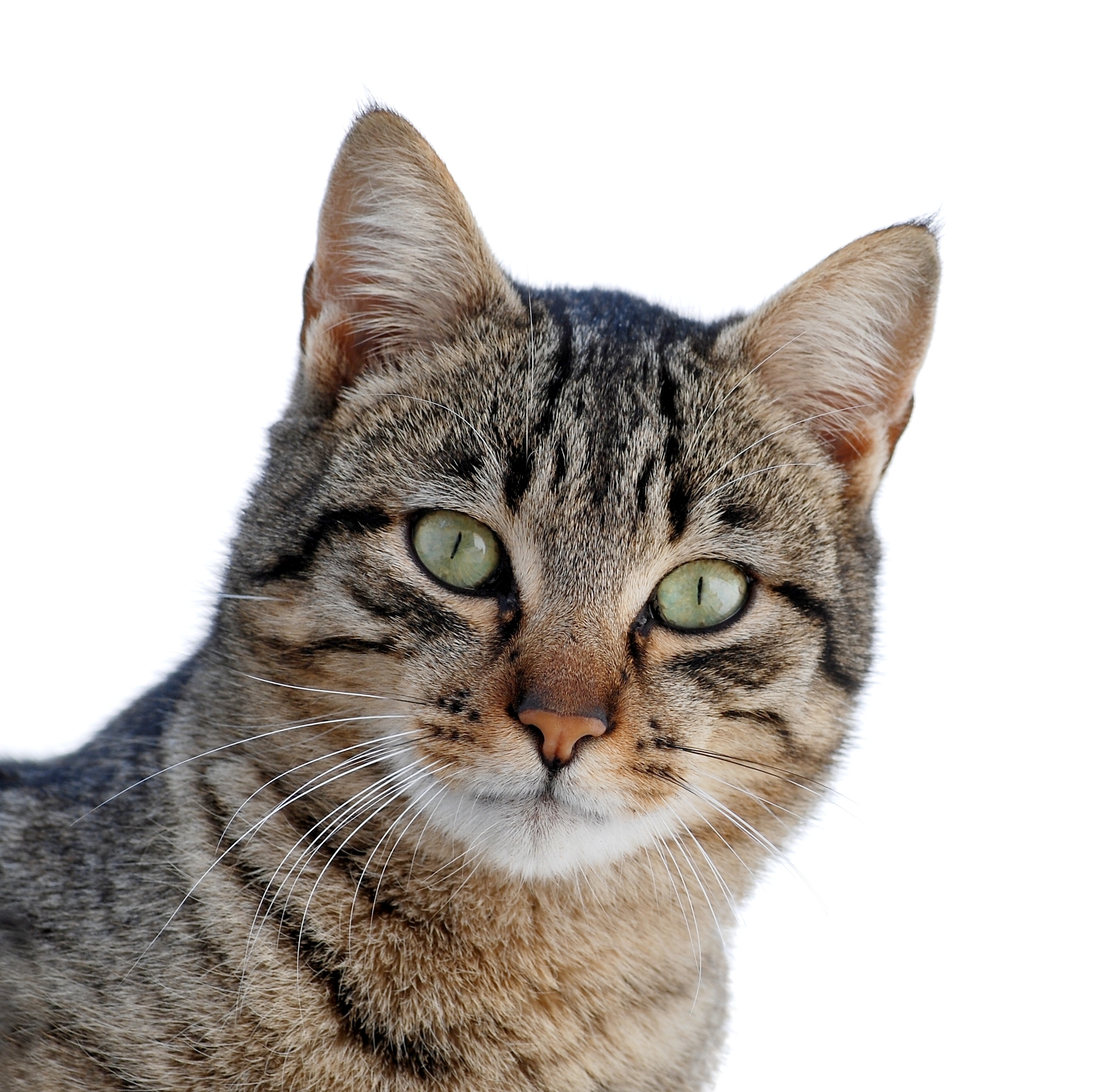
FileCat March 20101a.jpg Wikimedia Commons

Images of CAT JapaneseClass.jp
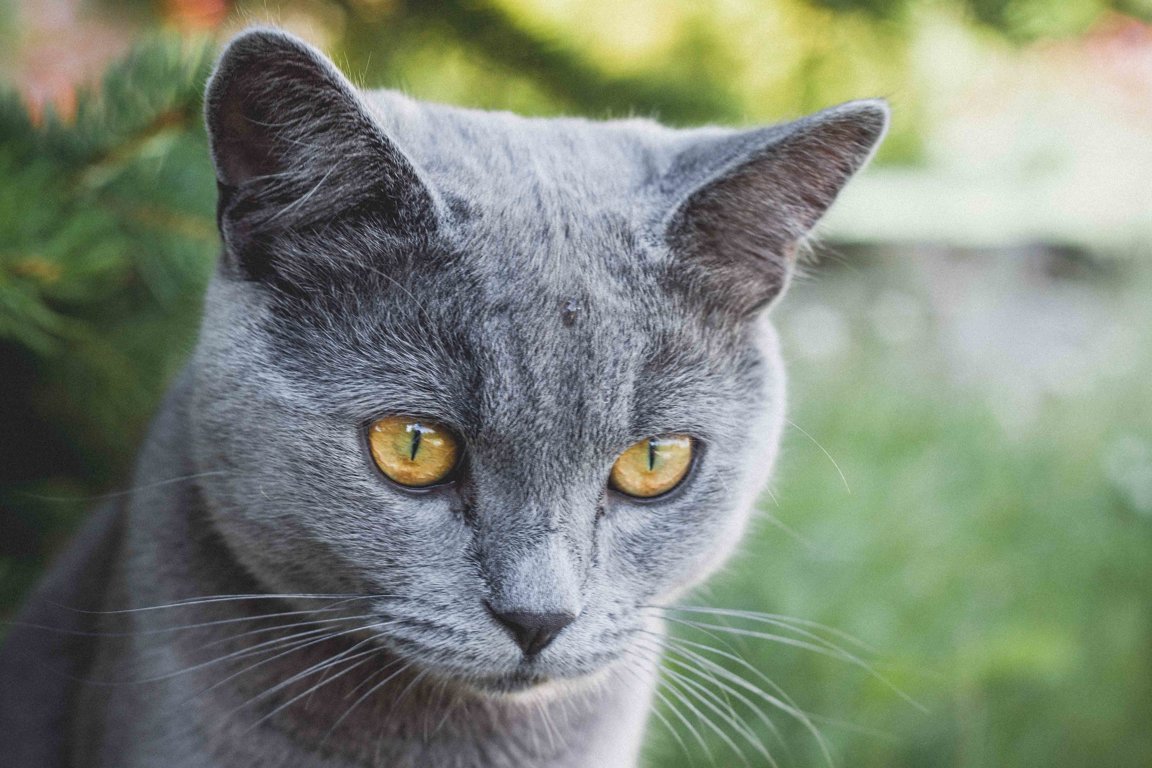
Cats Facts

Cat
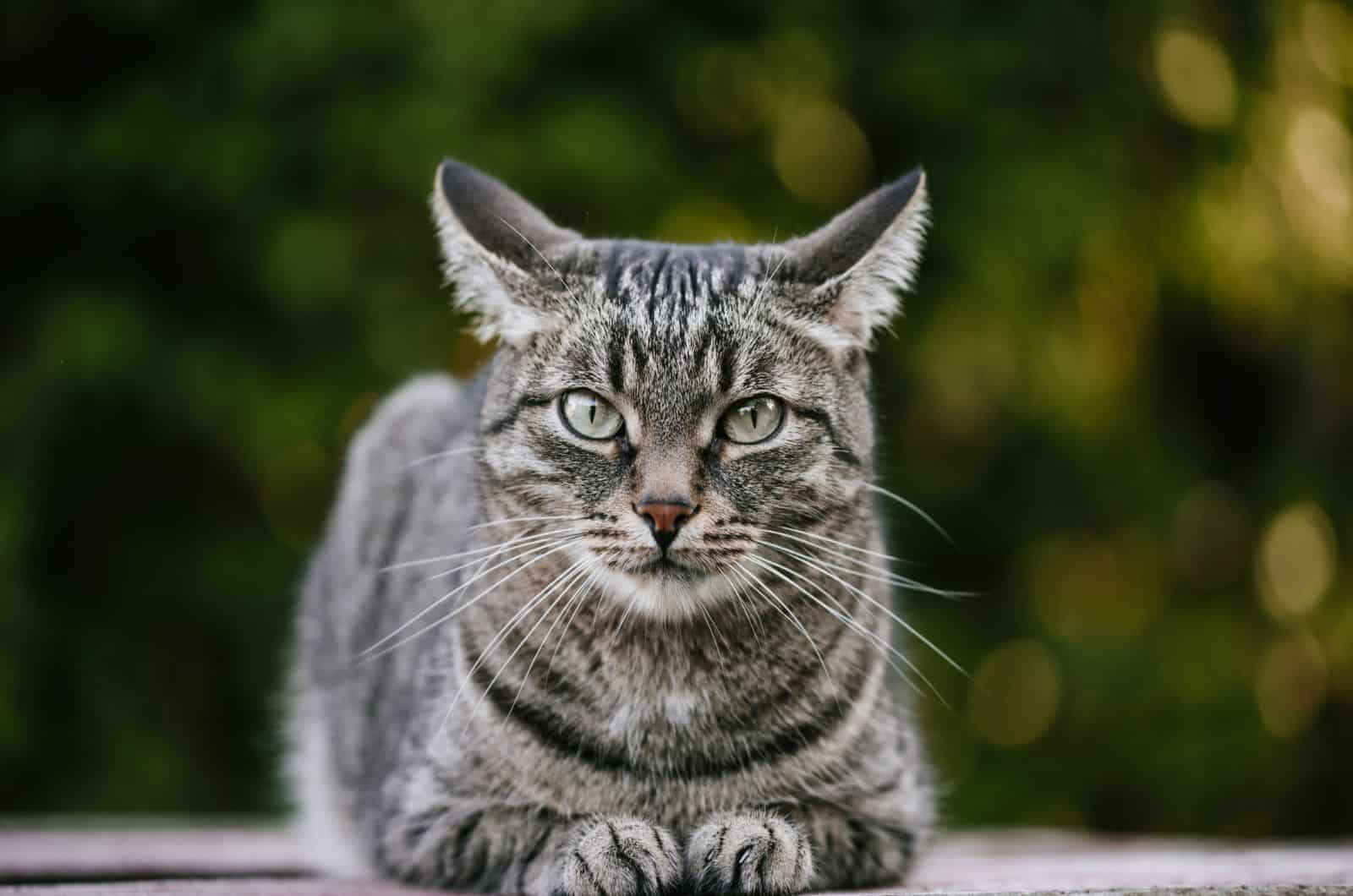
Grey Tabby Cat Everything You Need To Know

Introducing Cats To Cats The Expert's Guide To A Smooth Transition

Gray Cats Personality

10 Surprising Facts About Cats You Need to Know CatsTalent

30,000+ Best Cat Photos · 100 Free Download · Pexels Stock Photos
So If My File Has Around 2M Lines, I'd Like To Split It Up Into 10 Files T.
Certs Should Be Followed By The Issuing Cert Until The Last Cert Is Issued By A Known Root Per Ietf's Rfc 5246 Section 7.4.2 This Is A Sequence (Chain).
I've Got A Large (By Number Of Lines) Plain Text File That I'd Like To Split Into Smaller Files, Also By Number Of Lines.
To Combine Stderr And Stdout Into The Stdout Stream, We Append This To A Command:
Related Post: