
Waste Management Program Template
Waste Management Program Template - Disclosure of this information is required. Only hazardous educational wastes can be accepted. Instructions for the completion of the 39(i) certification pursuant to sections 39(i) of the illinois environmental protection act (“act”), before issuing any new or modified rcra permit, permit. If this message is not eventually replaced by the proper contents of the document, your pdf viewer may not be able to display this type of document. The most common type of septic system consists of two primary components: I) a septic tank for collecting waste and settling out solids, and 2) a soil absorption field for filtering the liquid. This agency is authorized to require this information under illinois revised statutes, 1979, chapter 111 1⁄2, section 1042. Failure to do so may. Lumber, sandbags, plastic sheeting, shingles, insulation, animal carcasses, grain, animal feed,. Landfilling storm and flood waste: Failure to do so may. If this message is not eventually replaced by the proper contents of the document, your pdf viewer may not be able to display this type of document. If this message is not eventually replaced by the proper contents of the document, your pdf viewer may not be able to display this type of document. Disclosure of this information is required. I) a septic tank for collecting waste and settling out solids, and 2) a soil absorption field for filtering the liquid. Landfilling storm and flood waste: This agency is authorized to require this information under illinois revised statutes, 1979, chapter 111 1⁄2, section 1042. The most common type of septic system consists of two primary components: You may dispose of the following items in your local landfill: Instructions for the completion of the 39(i) certification pursuant to sections 39(i) of the illinois environmental protection act (“act”), before issuing any new or modified rcra permit, permit. Eligible expenses include costs to obtain collection containers for use by individual residents, collection receptacles to store sharps at the sharps collection station, mobilization fees. The most common type of septic system consists of two primary components: I) a septic tank for collecting waste and settling out solids, and 2) a soil absorption field for filtering the liquid. Failure to. If this message is not eventually replaced by the proper contents of the document, your pdf viewer may not be able to display this type of document. Only hazardous educational wastes can be accepted. You may dispose of the following items in your local landfill: Instructions for the completion of the 39(i) certification pursuant to sections 39(i) of the illinois. Instructions for the completion of the 39(i) certification pursuant to sections 39(i) of the illinois environmental protection act (“act”), before issuing any new or modified rcra permit, permit. Disclosure of this information is required. The most common type of septic system consists of two primary components: If this message is not eventually replaced by the proper contents of the document,. If this message is not eventually replaced by the proper contents of the document, your pdf viewer may not be able to display this type of document. This agency is authorized to require this information under illinois revised statutes, 1979, chapter 111 1⁄2, section 1042. Only hazardous educational wastes can be accepted. The most common type of septic system consists. Disclosure of this information is required. Landfilling storm and flood waste: Only hazardous educational wastes can be accepted. Lumber, sandbags, plastic sheeting, shingles, insulation, animal carcasses, grain, animal feed,. Hazardous educational wastes are a waste product that could pose a hazard during normal storage, transportation, or disposal. Lumber, sandbags, plastic sheeting, shingles, insulation, animal carcasses, grain, animal feed,. This agency is authorized to require this information under illinois revised statutes, 1979, chapter 111 1⁄2, section 1042. Hazardous educational wastes are a waste product that could pose a hazard during normal storage, transportation, or disposal. Disclosure of this information is required. The most common type of septic system. You may dispose of the following items in your local landfill: This agency is authorized to require this information under illinois revised statutes, 1979, chapter 111 1⁄2, section 1042. The most common type of septic system consists of two primary components: If this message is not eventually replaced by the proper contents of the document, your pdf viewer may not. Only hazardous educational wastes can be accepted. You may dispose of the following items in your local landfill: Landfilling storm and flood waste: I) a septic tank for collecting waste and settling out solids, and 2) a soil absorption field for filtering the liquid. If this message is not eventually replaced by the proper contents of the document, your pdf. Eligible expenses include costs to obtain collection containers for use by individual residents, collection receptacles to store sharps at the sharps collection station, mobilization fees. The most common type of septic system consists of two primary components: Failure to do so may. If this message is not eventually replaced by the proper contents of the document, your pdf viewer may. Only hazardous educational wastes can be accepted. Lumber, sandbags, plastic sheeting, shingles, insulation, animal carcasses, grain, animal feed,. I) a septic tank for collecting waste and settling out solids, and 2) a soil absorption field for filtering the liquid. Instructions for the completion of the 39(i) certification pursuant to sections 39(i) of the illinois environmental protection act (“act”), before issuing. I) a septic tank for collecting waste and settling out solids, and 2) a soil absorption field for filtering the liquid. Instructions for the completion of the 39(i) certification pursuant to sections 39(i) of the illinois environmental protection act (“act”), before issuing any new or modified rcra permit, permit. Failure to do so may. Landfilling storm and flood waste: If this message is not eventually replaced by the proper contents of the document, your pdf viewer may not be able to display this type of document. If this message is not eventually replaced by the proper contents of the document, your pdf viewer may not be able to display this type of document. This agency is authorized to require this information under illinois revised statutes, 1979, chapter 111 1⁄2, section 1042. Eligible expenses include costs to obtain collection containers for use by individual residents, collection receptacles to store sharps at the sharps collection station, mobilization fees. Lumber, sandbags, plastic sheeting, shingles, insulation, animal carcasses, grain, animal feed,. Disclosure of this information is required. You may dispose of the following items in your local landfill: The most common type of septic system consists of two primary components: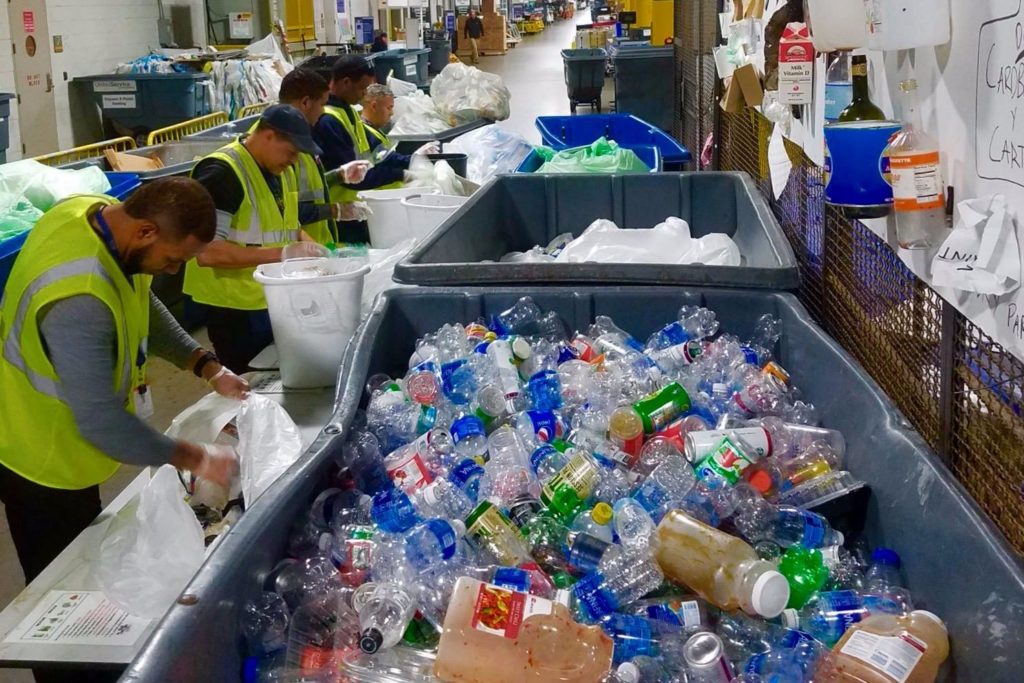
Recycle Waste Management

Legacy Waste Management Opportunities & Concerns be Waste Wise

Municipal Solid Waste Landfills MOST Policy Initiative
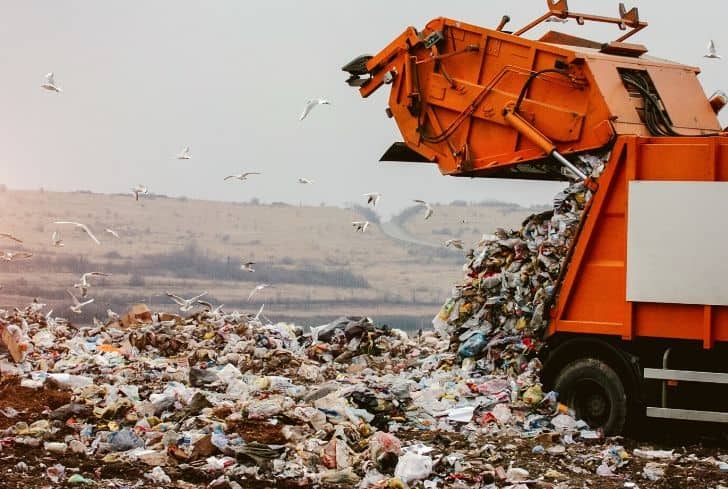
What is Solid Waste Management? Sources and Methods Solid
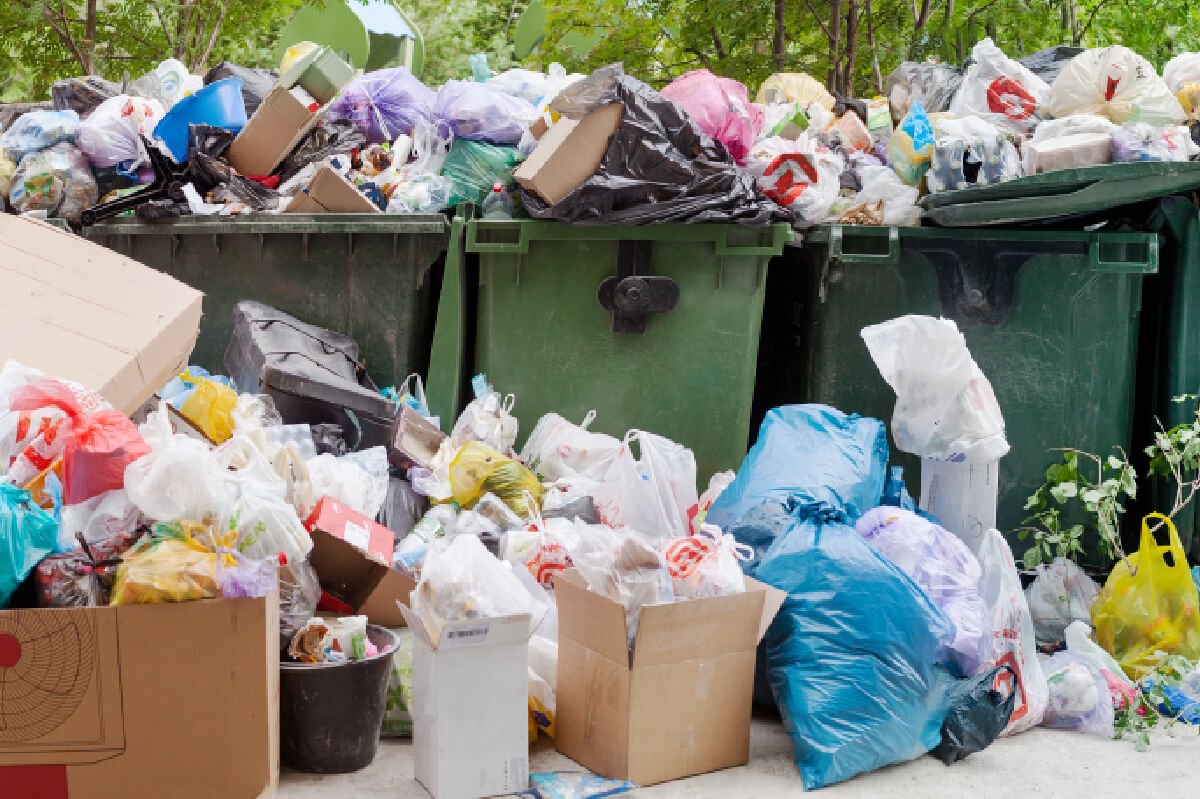
What is a Waste Management Company and What Do They Do?

Waste Recycling. Sustainability infographic. Garbage classification

Paths to sustainable plastic waste recycling Science

Benefits of Waste Management Company for Protecting the Environment
:max_bytes(150000):strip_icc()/GettyImages-139804274-571a88323df78c56403e1954.jpg)
Waste Disposal and Recycling Where the Trash Goes
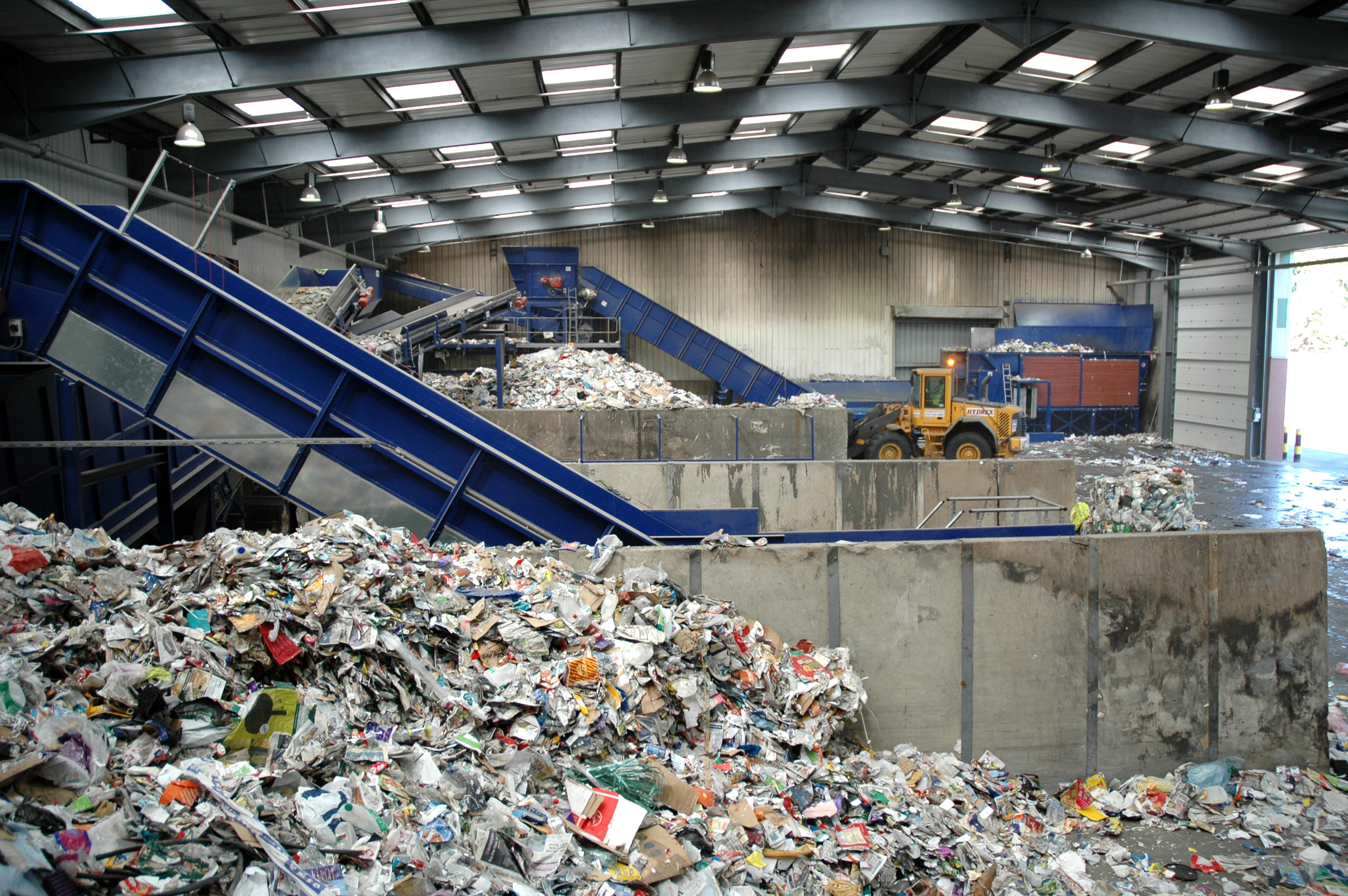
To Waste
Hazardous Educational Wastes Are A Waste Product That Could Pose A Hazard During Normal Storage, Transportation, Or Disposal.
Only Hazardous Educational Wastes Can Be Accepted.
If This Message Is Not Eventually Replaced By The Proper Contents Of The Document, Your Pdf Viewer May Not Be Able To Display This Type Of Document.
Related Post: