
Whos That Pokemon Template
Whos That Pokemon Template - The words whose and who’s. Who’s [=who is] at the door? Who’s is a contraction of the words “who is” or “who has.” the way i remember is by focusing on the. Who’s is a contraction of who is or who has. Learn the difference and write confidently! Whose and who’s are pronounced the same but fulfil different grammatical roles. In the first sentence, who’s stands for who is. Who is a subject pronoun (used for the person performing an action), while whom is an object pronoun (used for the person receiving an action). Who is coming to the party tonight? “who’s” means “who is” or “who has,” while “whose” shows possession. “ whose adorable puppy is that?”. As well as with who functioning as a. Who’s is a contraction of the words “who is” or “who has.” the way i remember is by focusing on the. “whose” is a possessive pronoun that indicates ownership or possession. It can be found at the beginning of a question: Who’s [=who is] at the door? Think of it as asking, “to whom does this belong?” for example: Learn the difference and write confidently! Who’s is a contraction made up of the words “who” and “is” or “who”. Who’s [=who has] got the remote? Who’s is a contraction of the words “who is” or “who has.” the way i remember is by focusing on the. Whose is the possessive form of the pronoun “who.” who’s is a contraction (shortened form). Learn the difference and write confidently! Whose is a possessive pronoun used to indicate ownership or relationship. Whose and who’s are pronounced the same. Who’s [=who is] at the door? Understanding the difference between “ who’s ” and “ whose ” is key in mastering english. Whose is a possessive pronoun used to indicate ownership or relationship. The words whose and who’s. Whose is a possessive pronoun that you should use when you’re asking or telling whom something belongs to. Whose is a possessive pronoun that you should use when you’re asking or telling whom something belongs to. However, many people still find whose and who’s particularly. As well as with who functioning as a. “whose” is a possessive pronoun that indicates ownership or possession. Think of it as asking, “to whom does this belong?” for example: Whose is the possessive form of the pronoun who, while who’s is a contraction of the words who is or who has. Who is a subject pronoun (used for the person performing an action), while whom is an object pronoun (used for the person receiving an action). Who’s is a contraction of who is or who has. The words whose. “whose” is a possessive pronoun that indicates ownership or possession. In the second sentence, who’s stands for who has. However, many people still find whose and who’s particularly. Understanding the difference between “ who’s ” and “ whose ” is key in mastering english. “ who’s ” is a contraction for “who is” or “who has.” for example, “who’s going. Who is coming to the party tonight? Whose and who’s are pronounced the same but fulfil different grammatical roles. Whose is the possessive form of the pronoun “who.” who’s is a contraction (shortened form). Who’s is a contraction of who is or who has. The words whose and who’s. Whose is the possessive form of the pronoun “who.” who’s is a contraction (shortened form). Who’s [=who is] at the door? Who’s [=who has] got the remote? Learn the difference and write confidently! Understanding the difference between “ who’s ” and “ whose ” is key in mastering english. In the first sentence, who’s stands for who is. Learn the difference and write confidently! However, many people still find whose and who’s particularly. Who is a subject pronoun (used for the person performing an action), while whom is an object pronoun (used for the person receiving an action). “ who’s ” is a contraction for “who is” or “who. Whose is the possessive form of the pronoun who, while who’s is a contraction of the words who is or who has. Who is a subject pronoun (used for the person performing an action), while whom is an object pronoun (used for the person receiving an action). Who’s is a contraction of who is or who has. Whose is a. Who is coming to the party tonight? Think of it as asking, “to whom does this belong?” for example: Who is a subject pronoun (used for the person performing an action), while whom is an object pronoun (used for the person receiving an action). The words whose and who’s. “who’s” means “who is” or “who has,” while “whose” shows possession. “whose” is a possessive pronoun that indicates ownership or possession. Who’s [=who has] got the remote? Who’s is a contraction of the words “who is” or “who has.” the way i remember is by focusing on the. The words whose and who’s. In the first sentence, who’s stands for who is. “who’s” means “who is” or “who has,” while “whose” shows possession. Whose is the possessive form of the pronoun who, while who’s is a contraction of the words who is or who has. Who’s is a contraction made up of the words “who” and “is” or “who”. Whose is a possessive pronoun that you should use when you’re asking or telling whom something belongs to. Whose and who’s are pronounced the same but fulfil different grammatical roles. As well as with who functioning as a. Whose is the possessive form of the pronoun “who.” who’s is a contraction (shortened form). “ whose adorable puppy is that?”. Understanding the difference between “ who’s ” and “ whose ” is key in mastering english. In the second sentence, who’s stands for who has. Who is coming to the party tonight?
Free Animated Whos That Pokemon Template
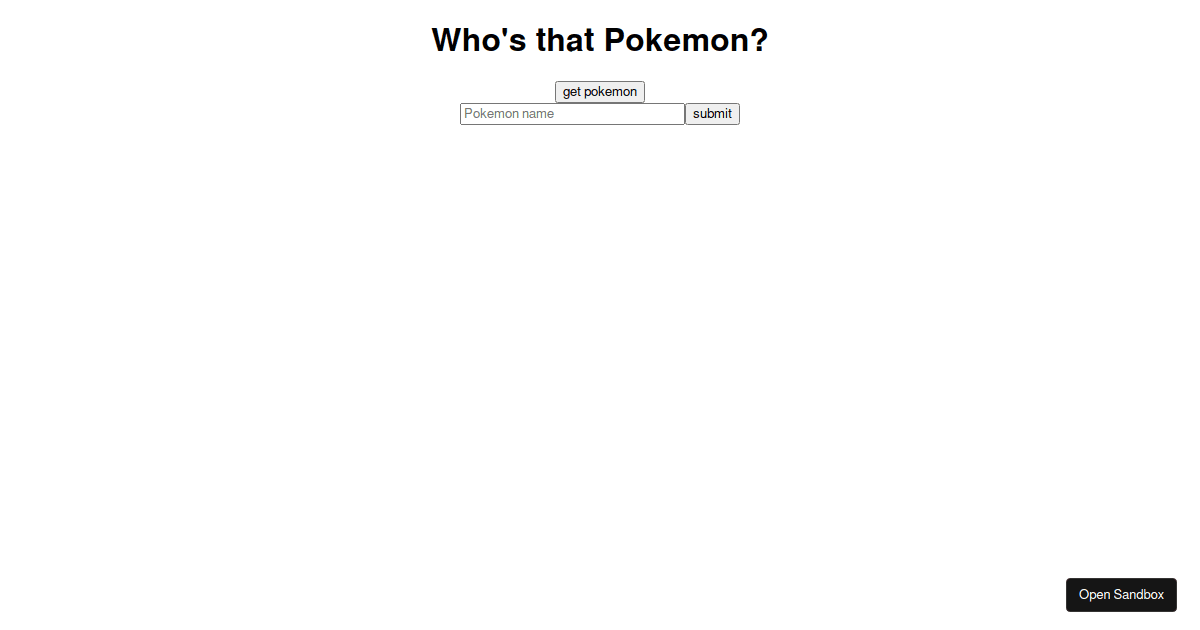
Who's that Pokemon Template Codesandbox
Free Animated Whos That Pokemon Template
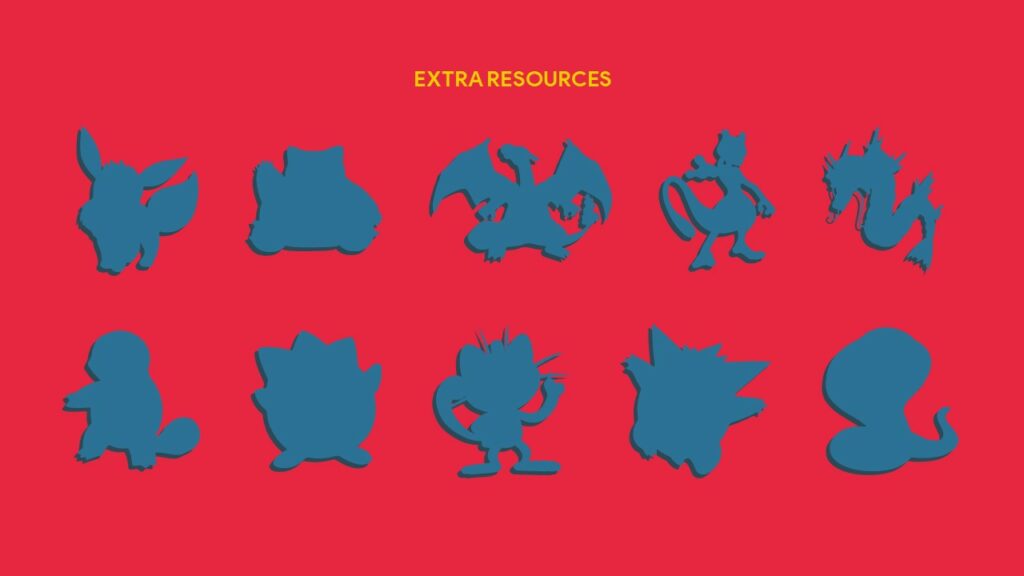
Free Animated Whos That Pokemon Template

Free Animated Whos That Pokemon Template

Free Animated Whos That Pokemon Template

Free Animated Whos That Pokemon Template

ShitpostBot 5000

Free Animated Whos That Pokemon Template
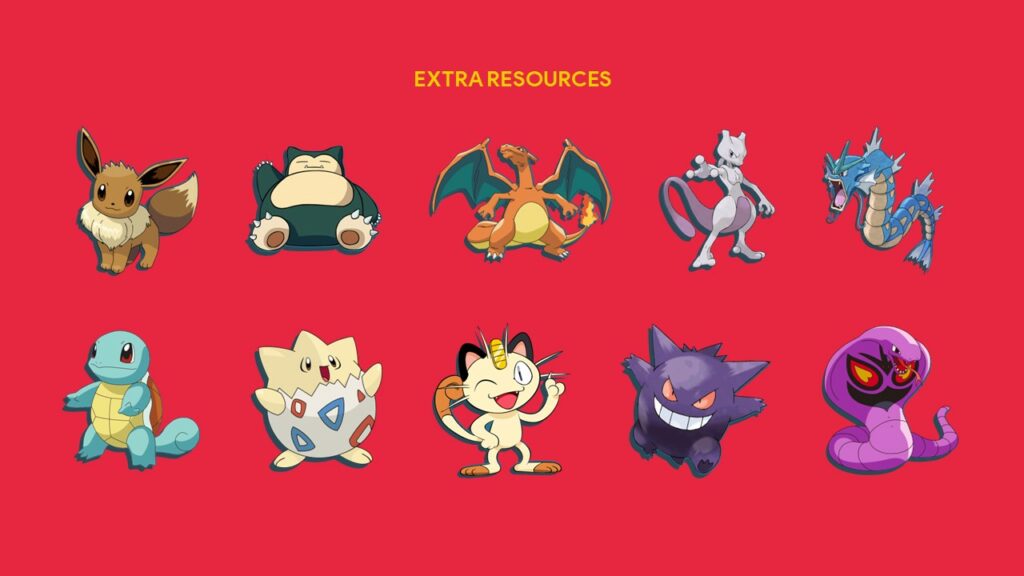
Free Animated Whos That Pokemon Template
Who’s [=Who Is] At The Door?
Who Is A Subject Pronoun (Used For The Person Performing An Action), While Whom Is An Object Pronoun (Used For The Person Receiving An Action).
It Can Be Found At The Beginning Of A Question:
Think Of It As Asking, “To Whom Does This Belong?” For Example:
Related Post: